How Activated Carbon Filters Keep Industrial Air Clean and Safe in Malaysia
Activated carbon filter systems are widely used in Malaysia for odour control, gas removal, and air pollution treatment in industrial environments. They are a proven solution for facilities that need effective air treatment while meeting environmental regulations and workplace safety requirements.
This guide explains how activated carbon filters work, where they are used, their key benefits, and how to select the right system.
How Activated Carbon Filter Systems Work
Activated carbon filters remove contaminants through adsorption, where gas molecules attach to the surface of the carbon media.
Key characteristics:
- Highly porous carbon with a large internal surface area
- Effective for odours, VOCs, and hazardous gases
- Common target gases include hydrogen sulphide, ammonia, and solvent vapours
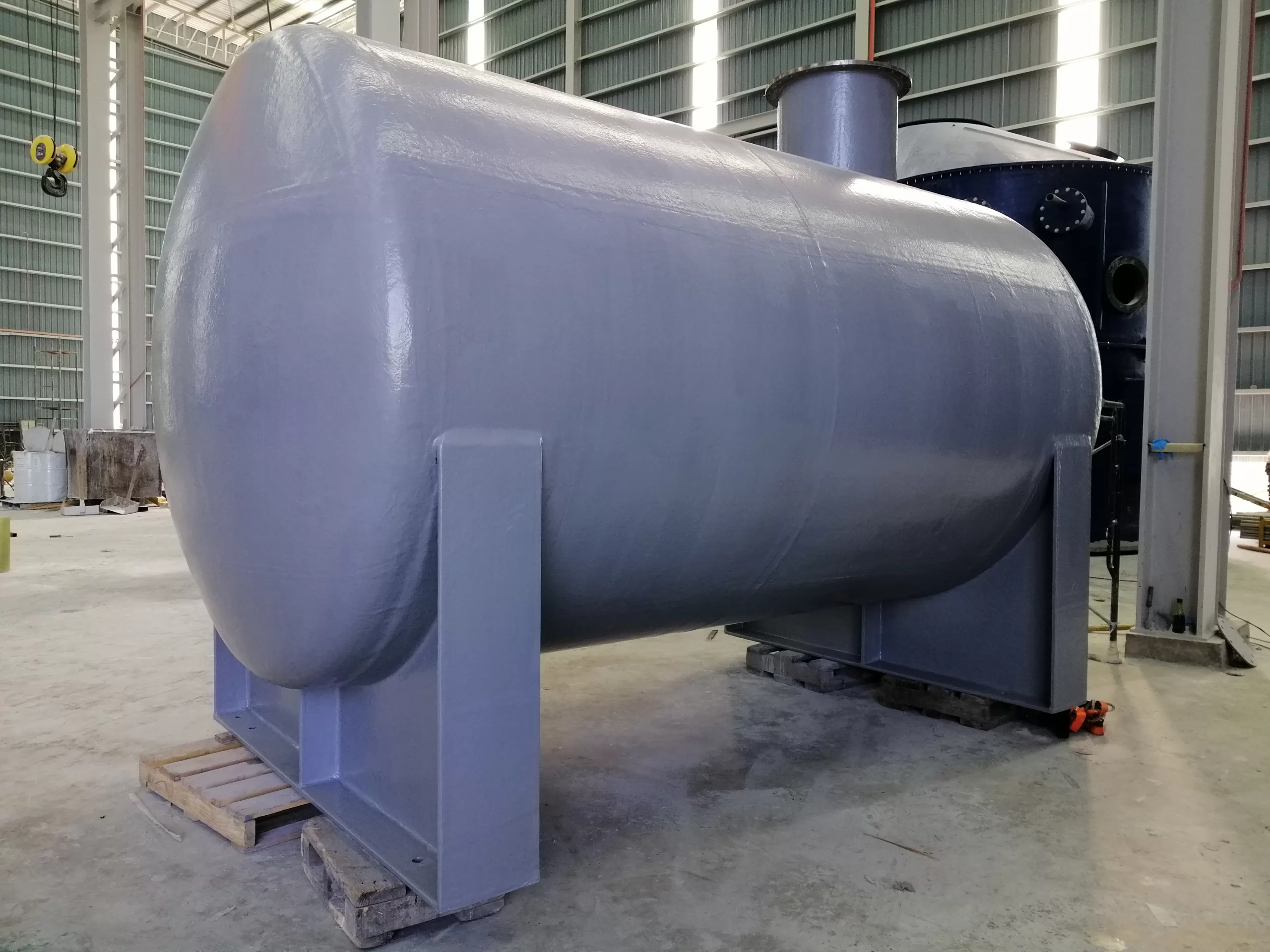
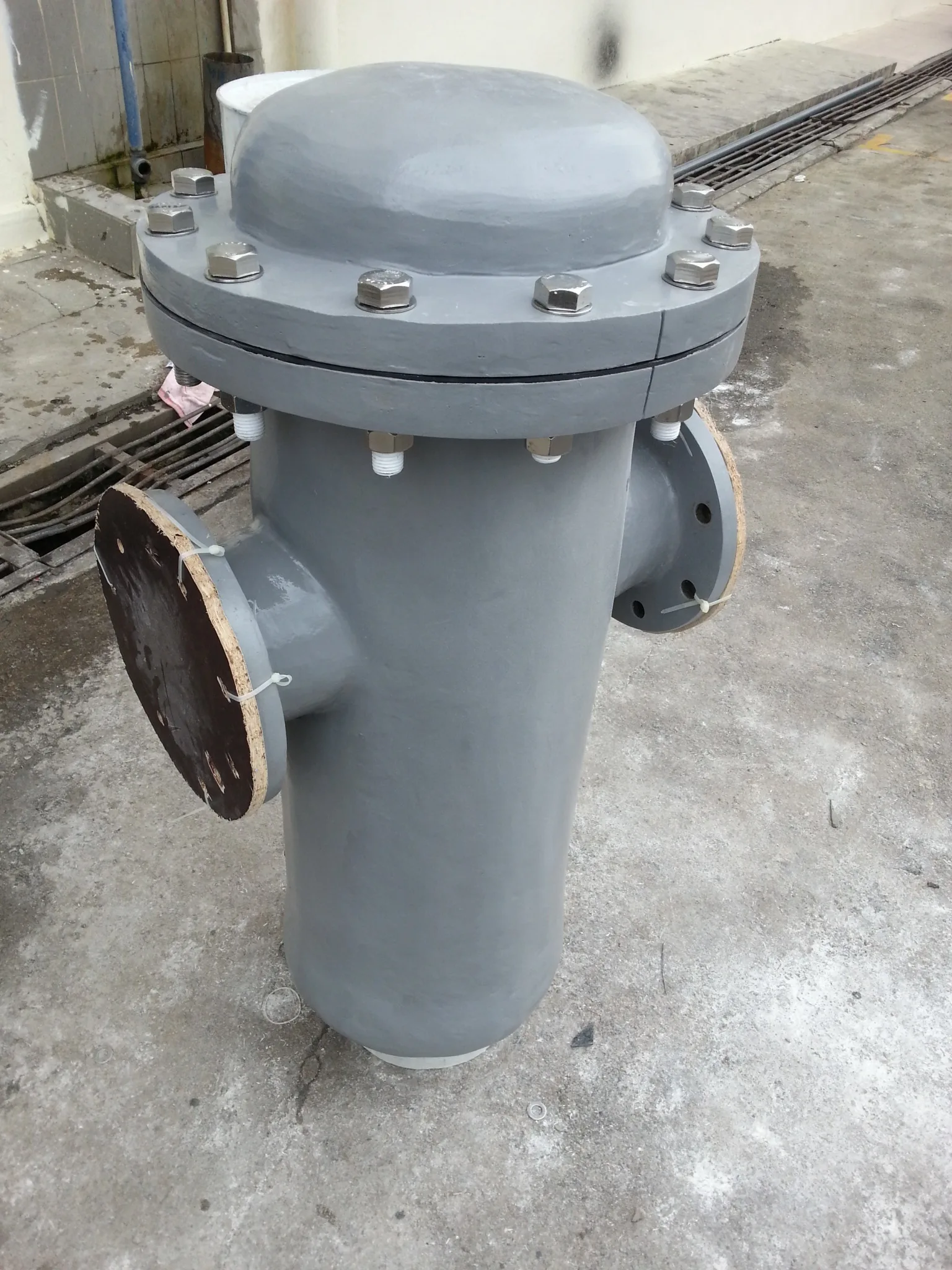
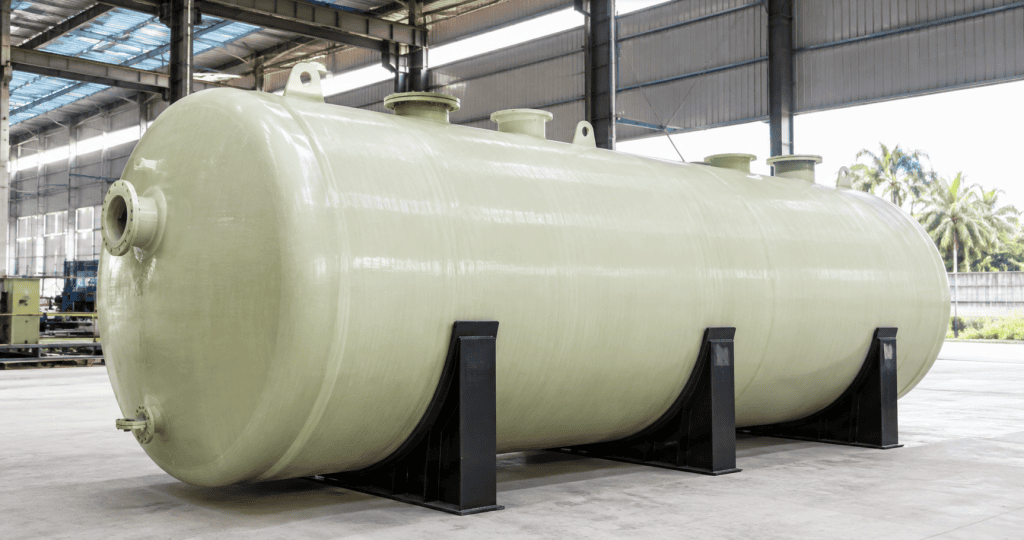
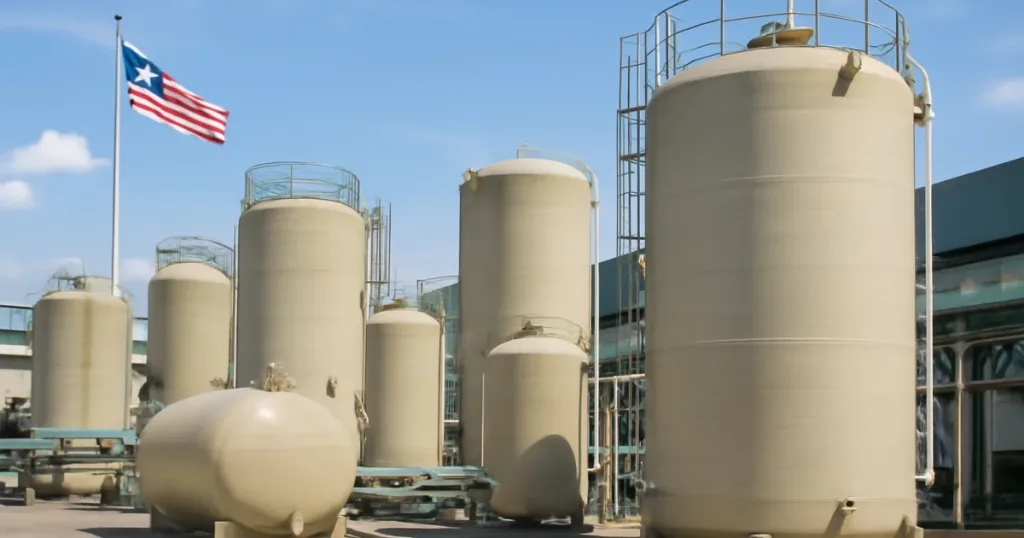
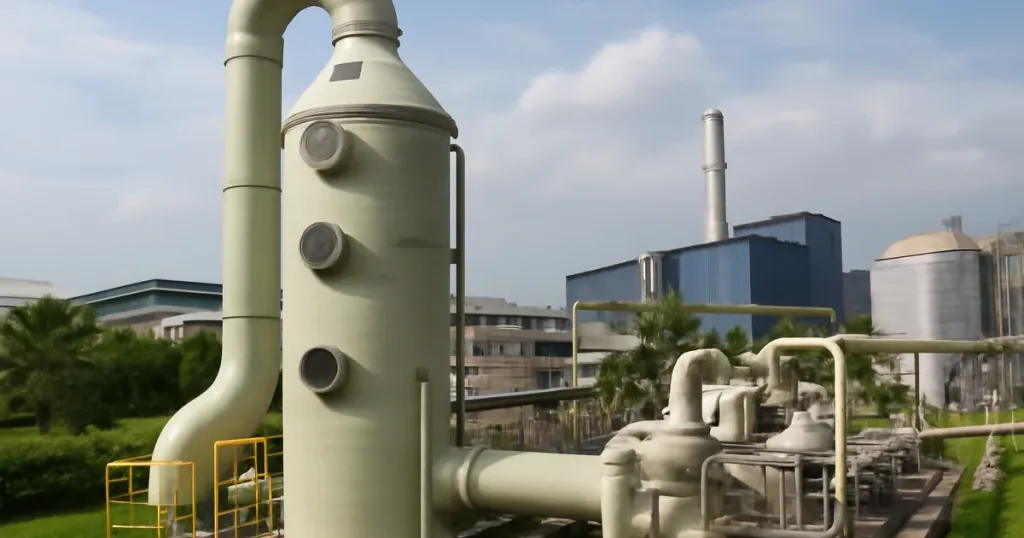
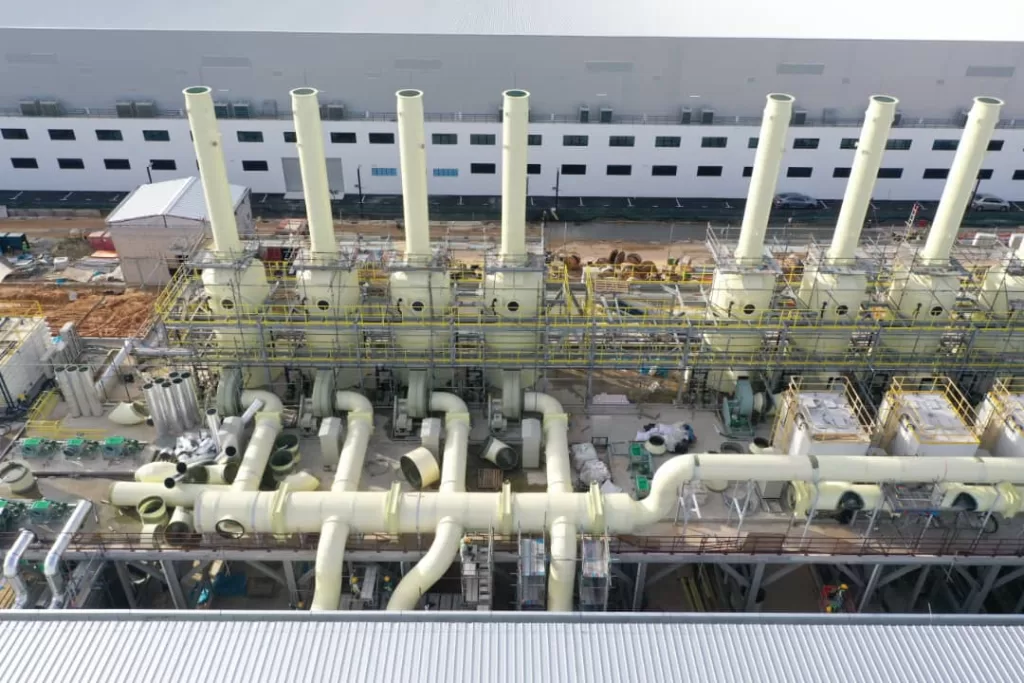
- Industrial systems are typically housed in FRP vessels for corrosion resistance and durability
Common Applications in Malaysia
Activated carbon filter systems are commonly used in:
- Water and wastewater treatment plants for odour control
- Chemical and manufacturing facilities for process exhaust treatment
- Food processing plants to improve air quality
- Industrial buildings and EHS compliance systems
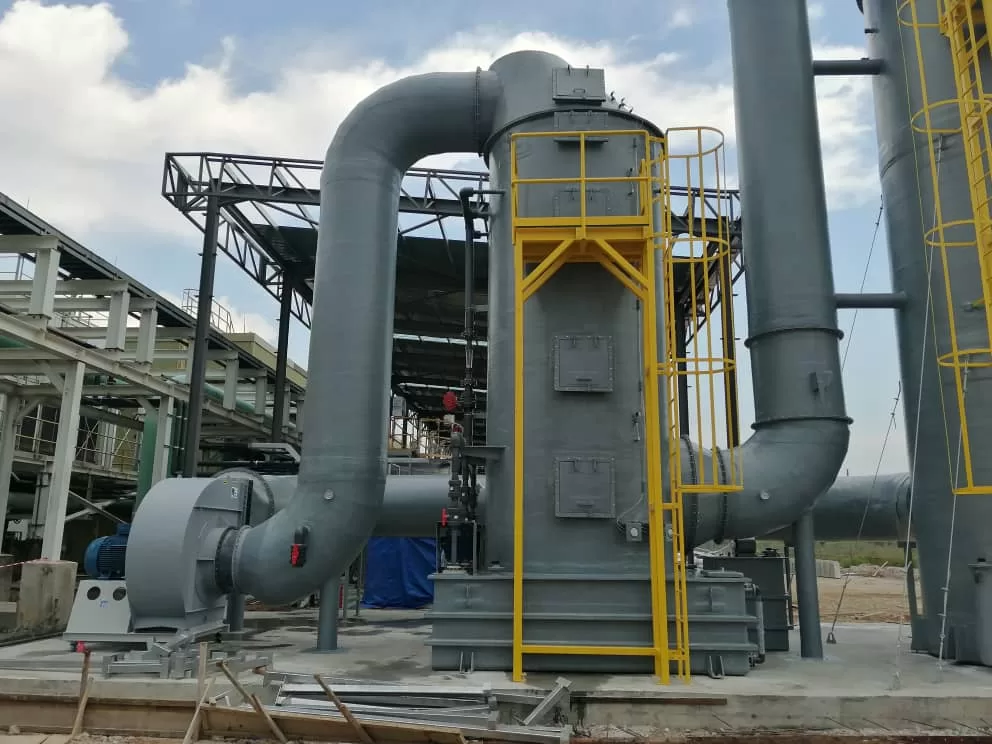
These systems may operate as standalone units or be combined with scrubbers and biofilters for multi-stage air treatment.
Key Benefits of Activated Carbon Filter Systems
Activated carbon filtration offers several advantages for Malaysian industries:
- High efficiency in removing odorous and harmful gases
- No chemical dosing required
- Low noise and energy consumption
- Flexible system design for different airflow rates
- Suitable for continuous operation in industrial environments
When designed correctly, these systems provide reliable and consistent performance.
Why Activated Carbon Filters Are Suitable for Malaysian Conditions
Malaysia’s tropical climate presents challenges such as high humidity, corrosive gases, and long operating hours. Activated carbon filter systems perform well because:
- FRP housings resist corrosion and UV exposure
- Systems are suitable for humid environments
- Carbon media can be selected based on local process conditions
- Maintenance requirements are relatively low
These features make activated carbon filters a practical long-term solution.
How to Select the Right Activated Carbon Filter System
When selecting a system, consider:
- Type and concentration of contaminants
- Required airflow rate and contact time
- Operating temperature and humidity
- Available installation space
- Carbon media type and replacement planning
Proper system sizing and carbon selection are critical to achieving effective odour and gas removal.
Operation and Maintenance Considerations
To maintain performance over time:
- Monitor pressure drop across the filter
- Replace carbon media once adsorption capacity is reached
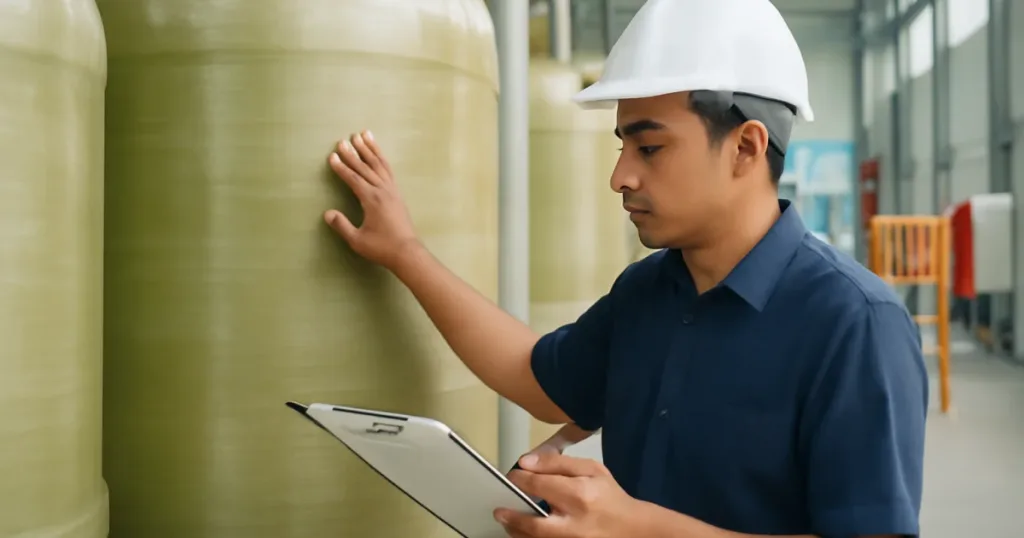
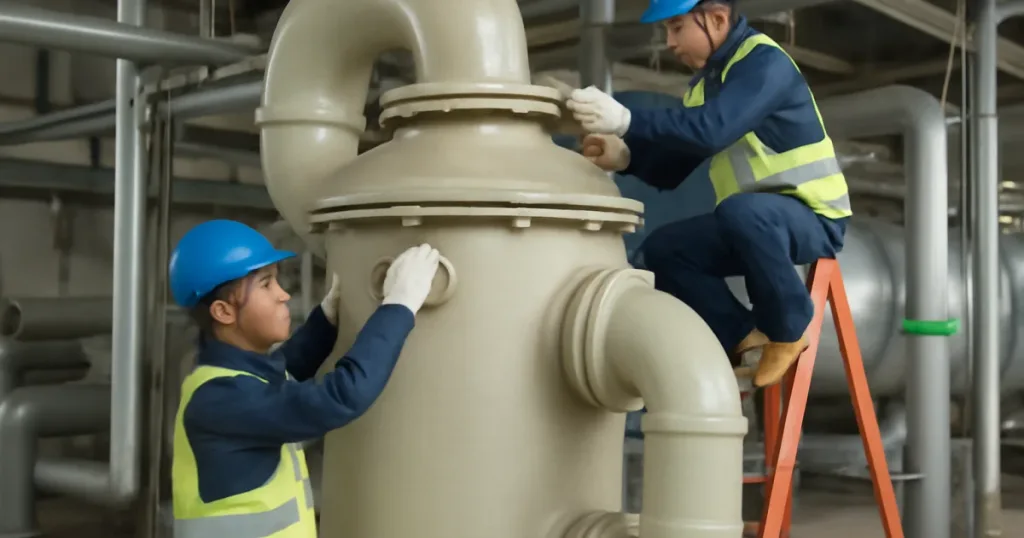
- Inspect FRP housing and seals periodically
- Follow recommended operating limits
Planned maintenance helps extend system life and prevent unexpected downtime.
Why Choose Cradotex
Cradotex provides engineered activated carbon filter systems designed for reliable odour and gas control in Malaysian industrial environments. With strong technical capability and in-house FRP fabrication, we deliver systems that are built for durability, performance, and long-term operation.
Key advantages of working with Cradotex include:
- In-house design and fabrication of FRP activated carbon filter housings
- System designs matched to airflow, contaminant type, and site conditions
- Experience supporting odour and air treatment projects across multiple industries
- Use of corrosion-resistant FRP construction suitable for tropical environments
- Technical guidance covering system selection, operation, and maintenance
This integrated approach allows us to deliver activated carbon filter systems that perform consistently while meeting operational and environmental requirements.
If you need help selecting or designing an activated carbon filter system, reach out to our team for expert support and project guidance.
Frequently Asked Questions (FAQs)
1. What types of gases can activated carbon filters remove?
Activated carbon filters are effective at removing a wide range of gases and odours, including hydrogen sulphide, ammonia, solvent vapours, and various volatile organic compounds. The effectiveness depends on selecting the correct carbon media for the specific contaminants.
2. How often does activated carbon need to be replaced?
Carbon replacement frequency depends on contaminant concentration, airflow rate, humidity, and operating hours. In industrial applications, carbon media is typically replaced once adsorption capacity is reached, which is determined through monitoring and system performance checks.
3. Can activated carbon filter systems be integrated with other air treatment equipment?
Yes. Activated carbon filter systems are often used alongside scrubbers or biofilters as part of a multi-stage air treatment process, improving overall removal efficiency for complex or high-load exhaust streams.