Step-by-Step Tutorial: Installing and Maintaining FRP Scrubber Systems in Malaysia
FRP (Fiberglass Reinforced Plastic) scrubber systems are essential for industrial plants in Malaysia that need to control air pollution, manage chemical fumes, or treat industrial exhaust. Their corrosion-resistant properties, durability, and adaptability make them a top choice for sectors such as chemical processing, wastewater treatment, electronics manufacturing, and oil & gas. This guide offers a detailed, step-by-step approach to installing and maintaining FRP scrubber systems, ensuring safe operation and long-term reliability for your facility.
Understanding FRP Scrubber Systems: Key Components and Benefits
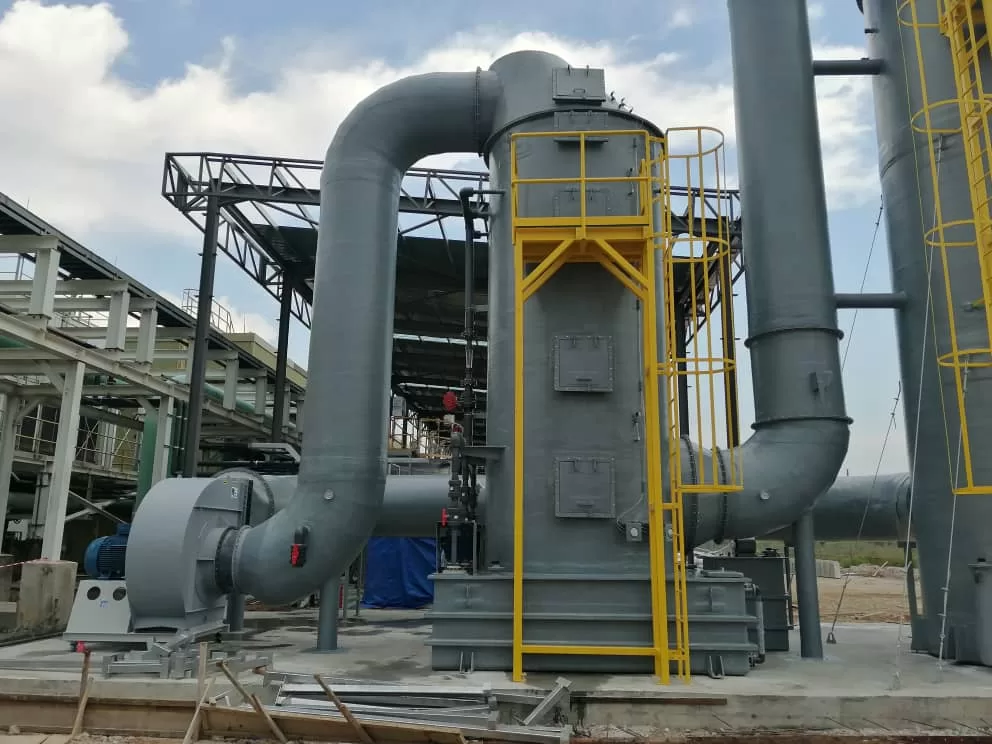
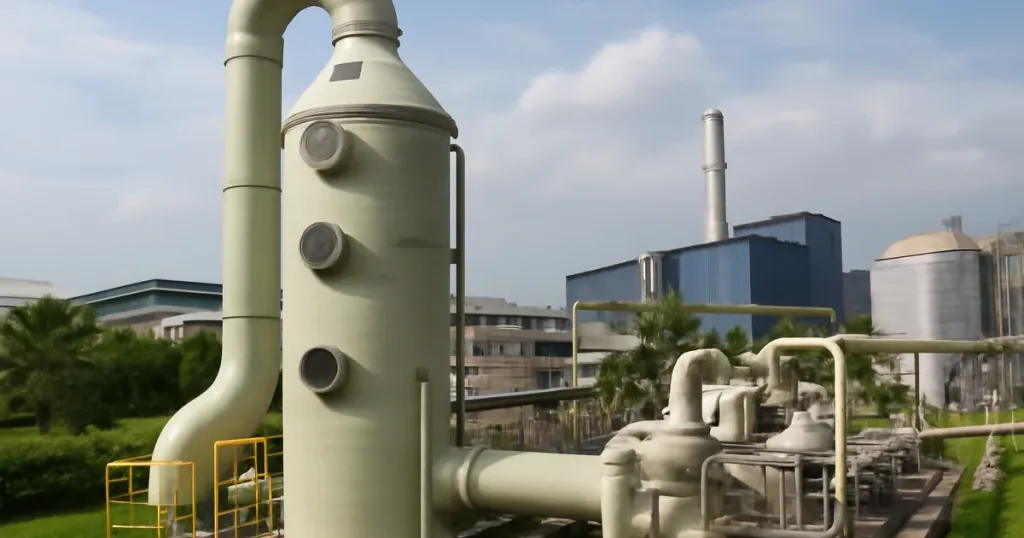
Before beginning installation, it is important to understand what an FRP scrubber system is and why it is a preferred choice in Malaysia. FRP scrubbers are engineered to remove contaminants from industrial exhaust gases using a combination of physical and chemical processes. The main components typically include:
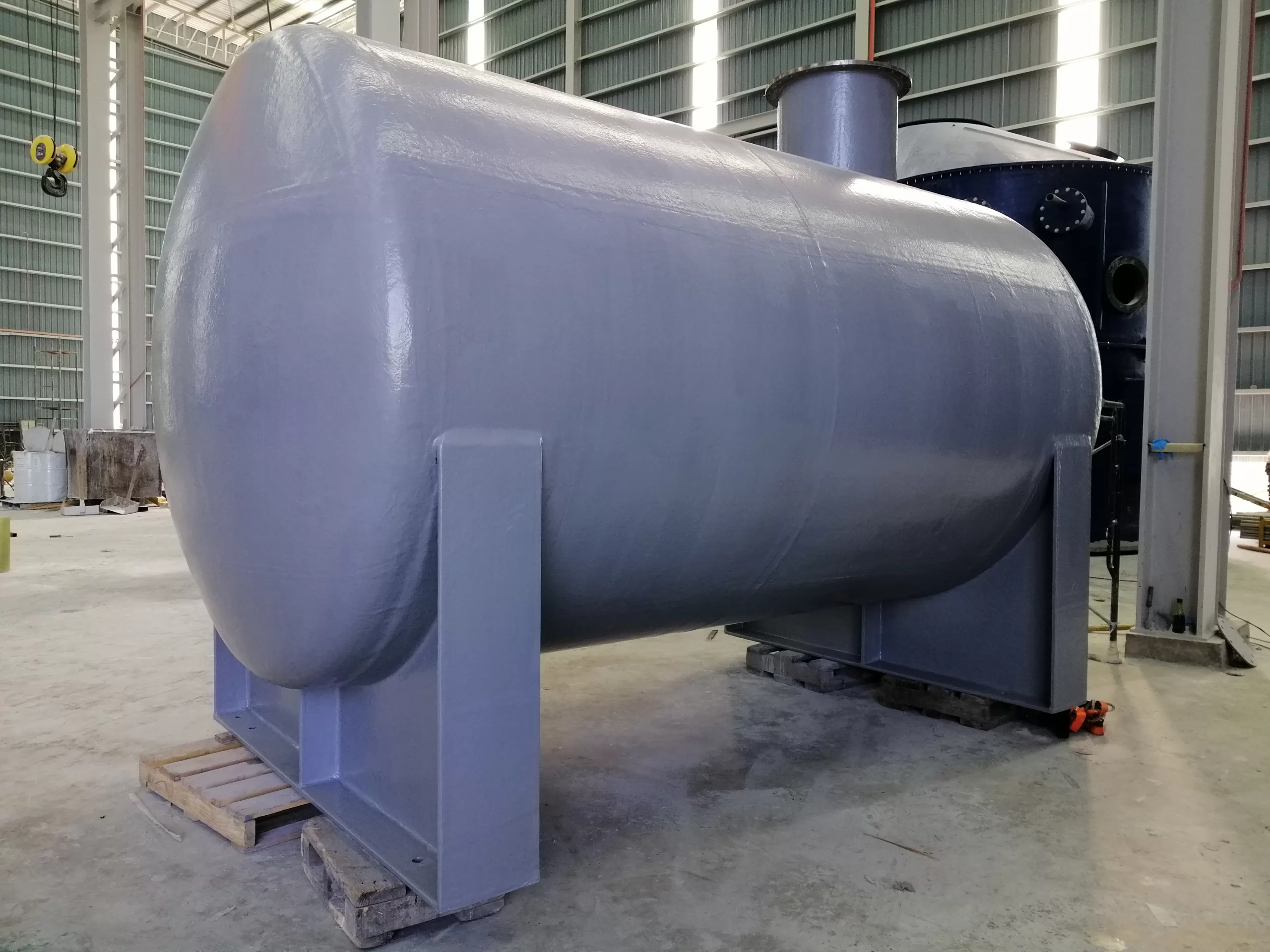
- Scrubber vessel: The main chamber where gas-liquid contact occurs.
- Packed bed or spray system: Enhances contact for efficient contaminant removal.
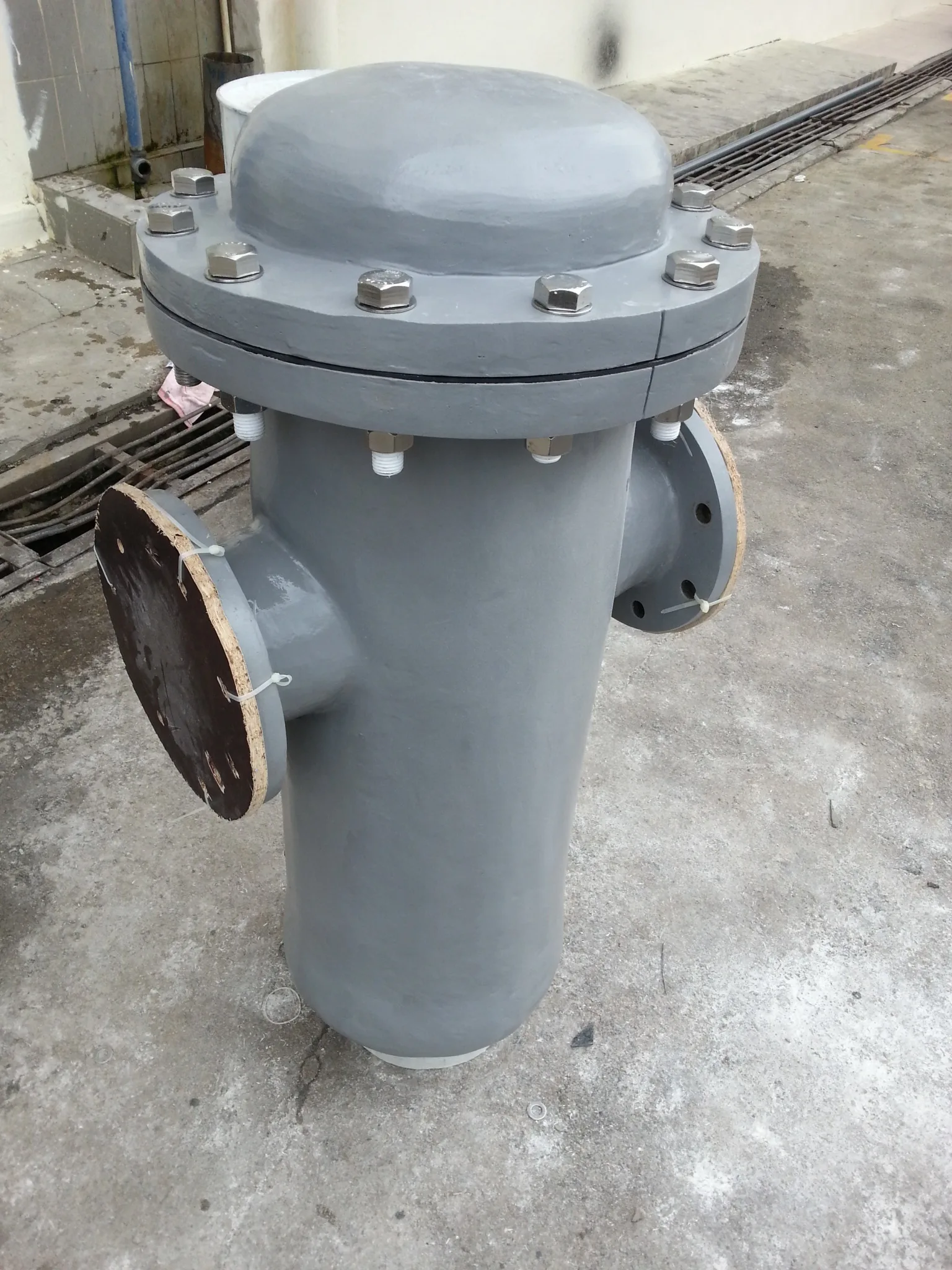
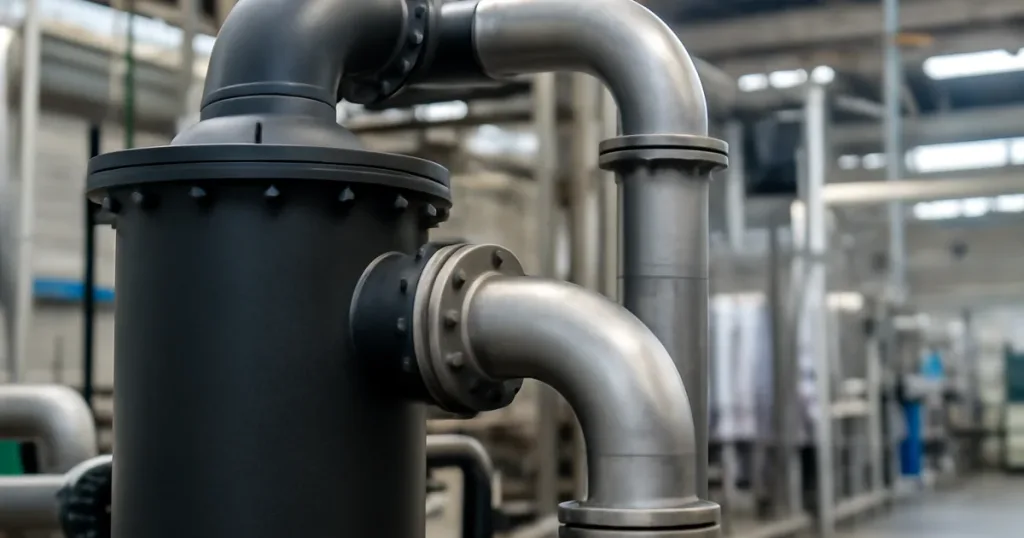
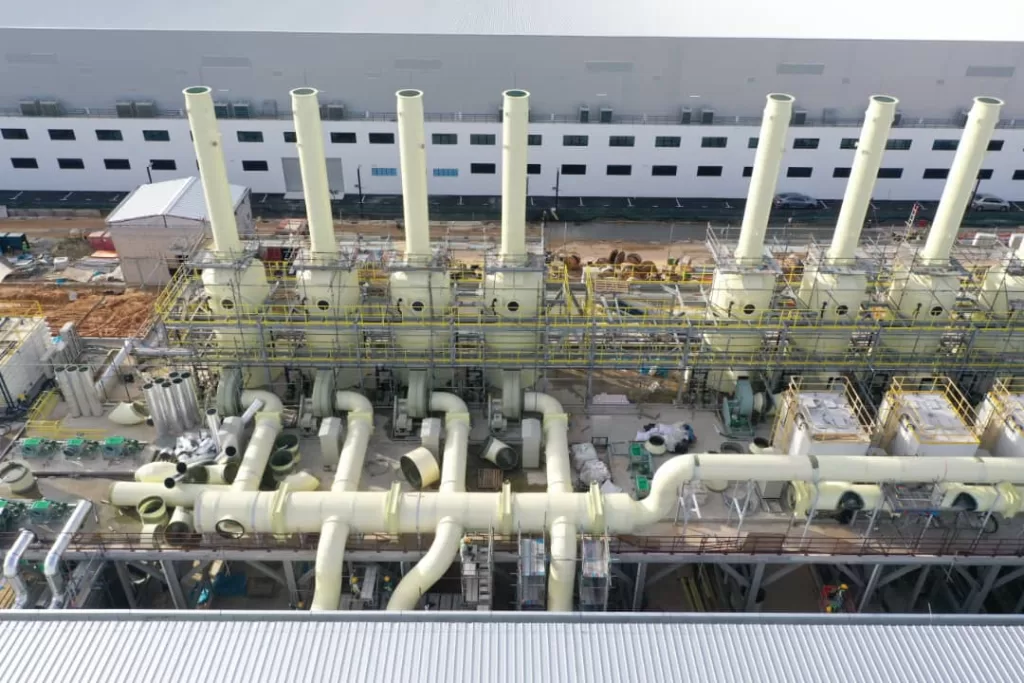
- FRP ducting and pipe spools: Connects the scrubber to emission sources and outlets.
- Pumps, blowers, and instrumentation: For circulation and monitoring.
- FRP coating and lining: Provides additional chemical resistance, especially in aggressive environments.
The advantages of FRP include high corrosion resistance, lightweight construction, low maintenance, and adaptability for custom requirements. These features make FRP scrubber systems an efficient and economical solution for Malaysian industries facing demanding process conditions.
Step 1: Pre-Installation Planning and Site Preparation
Successful installation of an FRP scrubber system begins with thorough planning. Key considerations include:
- Site assessment: Ensure sufficient space for the scrubber unit and associated FRP ducting, piping, and access for maintenance.
- Foundation preparation: FRP scrubbers are lighter than steel, but require stable, level foundations to prevent misalignment or vibration during operation.
- Utility checks: Verify availability of power, water supply, drainage, and access for installation equipment.
- Review of technical drawings: Confirm all dimensions, connection points, and support details with your supplier or engineering team.
Engage with an experienced FRP solution provider who can support you with design, fabrication, and installation details. For more technical advice, see Handling Installation Technical Information.
Step 2: Delivery, Inspection, and Handling of FRP Components
FRP scrubber system components are typically fabricated offsite and delivered ready for assembly. Upon delivery:
- Inspect all components: Check the scrubber body, FRP pipe spools, duct fittings, and accessories for any transport damage or manufacturing defects.
- Verify material certificates: Ensure all supplied components meet project specifications, especially if international design standards (such as ISO or ASTM) are required.
- Handle with care: Although FRP is strong, avoid dropping or dragging components to prevent surface cracks or delamination.
If you require FRP ducting or pipe spools, consult The Ultimate Guide to FRP Pipe Spools and Fittings in Malaysia for handling tips.
Step 3: Assembling and Installing the FRP Scrubber System
Follow these steps for proper assembly and installation:
- Position the scrubber vessel: Place the main scrubber body on the prepared foundation, ensuring it is level and properly supported.
- Connect FRP ducting and piping: Attach inlet and outlet ducts using compatible FRP fittings, elbows, and gaskets. Torque bolts to recommended values and avoid over-tightening.
- Install internal components: Fit the packed bed or spray system, demisters, and liquid distributors as specified in the supplier’s manual.
- Integrate pumps, blowers, and instrumentation: Install circulation pumps, exhaust blowers, flow meters, and pH/ORP sensors. Electrical connections should be completed by certified personnel.
- Seal and test all joints: Apply approved sealants to flanges and check for leaks with a hydrostatic or air pressure test.
- Apply FRP coating or lining: For added protection against aggressive chemicals, ensure the interior is properly lined or coated as per project specifications. Learn more at FRP Lining and Coating.
All installation work should comply with local safety regulations and best practices. Personal protective equipment (PPE) is mandatory throughout.
Step 4: Commissioning and Initial Start-Up
Once assembly is complete, commissioning ensures the FRP scrubber system operates as intended:
- Functional checks: Confirm all pumps, blowers, and control systems operate smoothly.
- Water and chemical filling: Charge the system with the appropriate scrubbing solution as per process requirements.
- Trial run: Start the system and monitor process parameters (flow, pressure, pH, temperature) for at least several hours.
- Fine-tuning: Adjust operating parameters to optimise contaminant removal and system efficiency.
- Training: Provide operator training for safe handling and routine checks.
Refer to Operation Maintenance Technical Information for detailed commissioning guidance.
Step 5: Routine Maintenance for Long-Term Performance
Proper maintenance is essential for reliable FRP scrubber operation and to maximise equipment lifespan. Recommended maintenance tasks include:
- Regular inspections: Visually check for leaks, corrosion, or damage to FRP surfaces, ducts, elbows, and pipe spools.
- Cleaning: Remove accumulated solids, scale, or biofilm from the packed bed, spray nozzles, and sump.
- Instrument calibration: Periodically calibrate flow meters, pH sensors, and other monitoring devices.
- Seal and gasket checks: Replace worn or degraded gaskets and reapply sealant as needed.
- Coating touch-ups: Inspect FRP lining and coating for wear or chemical attack, and repair as necessary.
- Documentation: Maintain a logbook of all maintenance activities, inspections, and repairs.
For advanced issues, such as structural repairs or FRP modification, consult a qualified FRP service provider. Learn about advanced filtration options at How Activated Carbon Filters Keep Industrial Air Clean and Safe in Malaysia.
Conclusion: Ensuring Reliable FRP Scrubber Performance in Malaysia
Installing and maintaining an FRP scrubber system is a critical investment for Malaysian industries seeking sustainable, compliant, and efficient air pollution control. By following a structured installation process, prioritising quality FRP ducting, coating, and pipe spools, and implementing a robust maintenance routine, you can ensure your system delivers long-term value and safety. For specialist support or to discuss custom FRP solutions, partner with a trusted provider like Cradotex (M) Sdn Bhd.
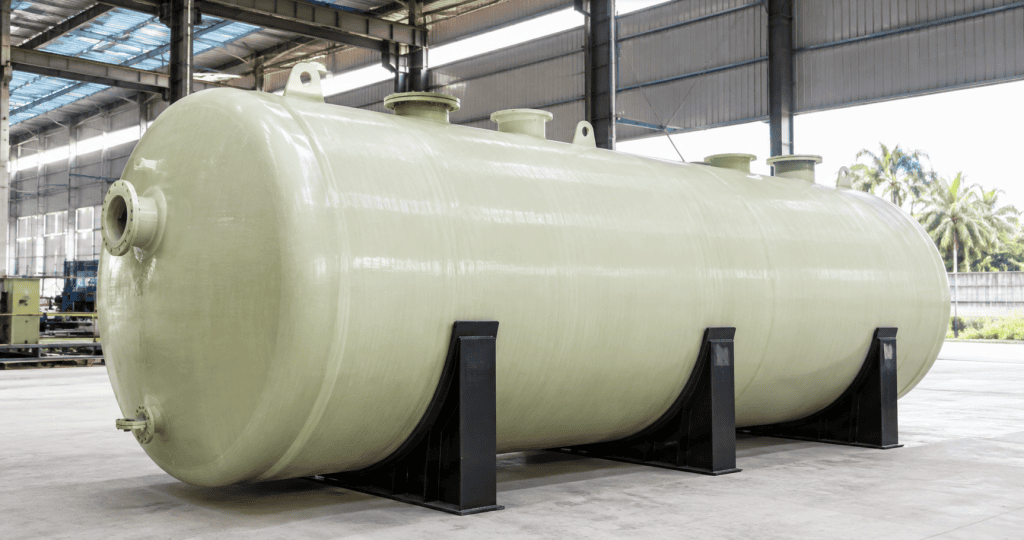
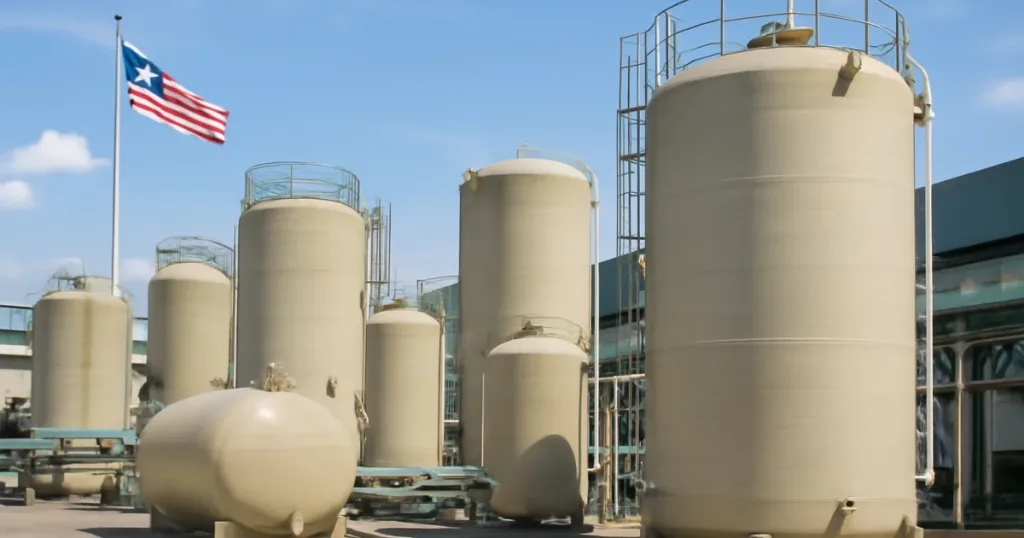
For more on FRP chemical storage options, see Advantages Of FRP Chemical Storage Tanks For Malaysian Industries.
Frequently Asked Questions
What are the key benefits of using FRP scrubber systems in Malaysia?
FRP scrubber systems offer excellent chemical and corrosion resistance, lightweight construction, easy installation, and lower maintenance compared to steel alternatives. These advantages make them ideal for Malaysian industries facing harsh process environments.
How often should FRP scrubber systems be maintained?
Routine inspections and basic cleaning should be carried out monthly, with more thorough maintenance—including gasket checks, instrumentation calibration, and coating touch-ups—performed quarterly or as specified by the manufacturer.
Can FRP scrubber systems handle highly corrosive chemicals?
Yes. FRP materials are specifically designed to withstand a wide range of aggressive chemicals. For highly corrosive environments, additional FRP lining or coatings can be applied to enhance protection and system longevity.
What is the typical lifespan of an FRP scrubber system?
With proper installation and regular maintenance, FRP scrubber systems can last 15 to 25 years or longer, depending on operating conditions and chemical exposure.
How do I select the right FRP ducting and pipe spools for my scrubber system?
Select FRP ducting and pipe spools based on your process requirements, chemical compatibility, pressure ratings, and space constraints. Consult an experienced FRP supplier for technical calculations and customised solutions.
Partner with Cradotex (M) Sdn Bhd for Expert FRP Scrubber Solutions
Ensure safe, compliant, and long-lasting FRP scrubber system performance for your facility. Cradotex (M) Sdn Bhd provides complete FRP solutions—from custom engineering and manufacturing to installation, lining, and maintenance services—tailored to Malaysian industry needs. Trust decades of local experience and certified quality for your next project.