Activated Carbon Filter Malaysia: Industry Insights on Odour and Emission Control
Industrial growth in Malaysia has brought increased attention to environmental challenges—chief among them, the effective control of odours and air emissions from manufacturing plants, chemical processing, water treatment facilities, and related industries. Activated carbon filters have become an essential component in this landscape, addressing regulatory expectations and community concerns alike. But how do these systems work in practice, and what should an industry professional consider when selecting and maintaining them? For readers comparing options, Activated Carbon Filter Malaysia is the main topic this guide explains.
Understanding Activated Carbon Filtration in Industrial Settings
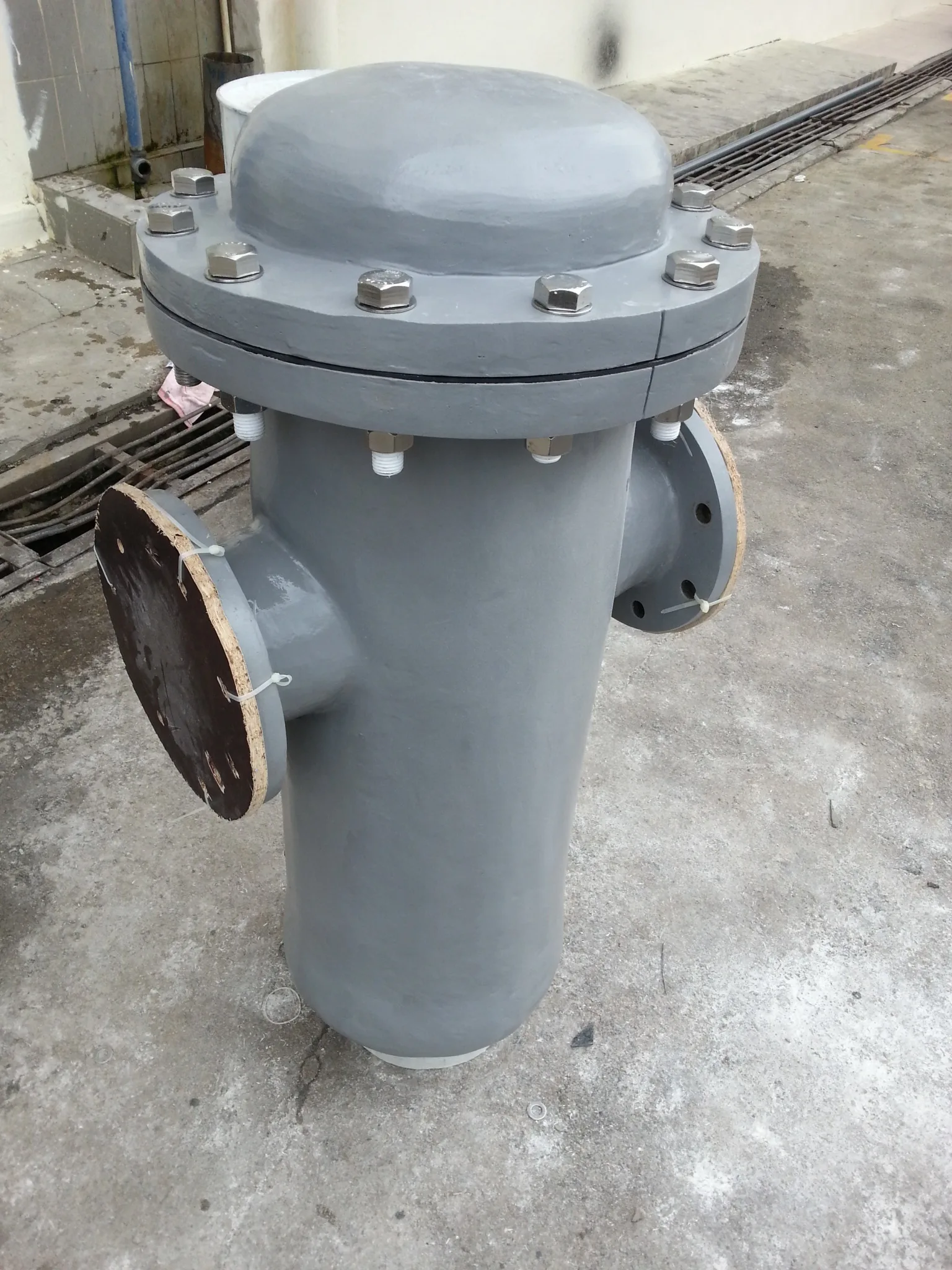
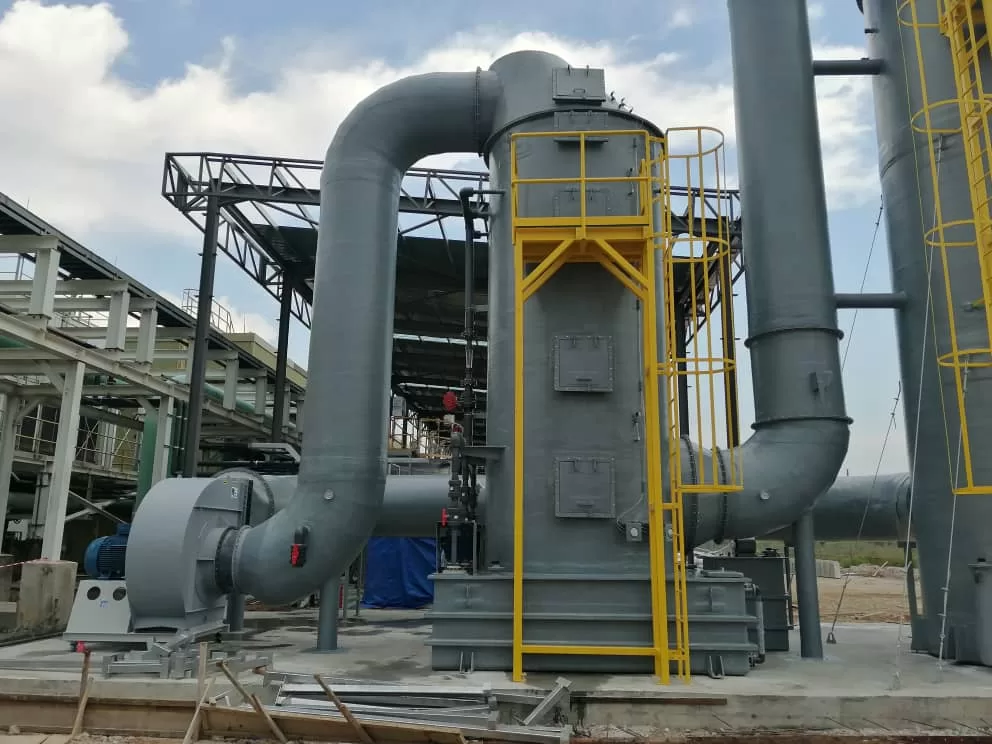
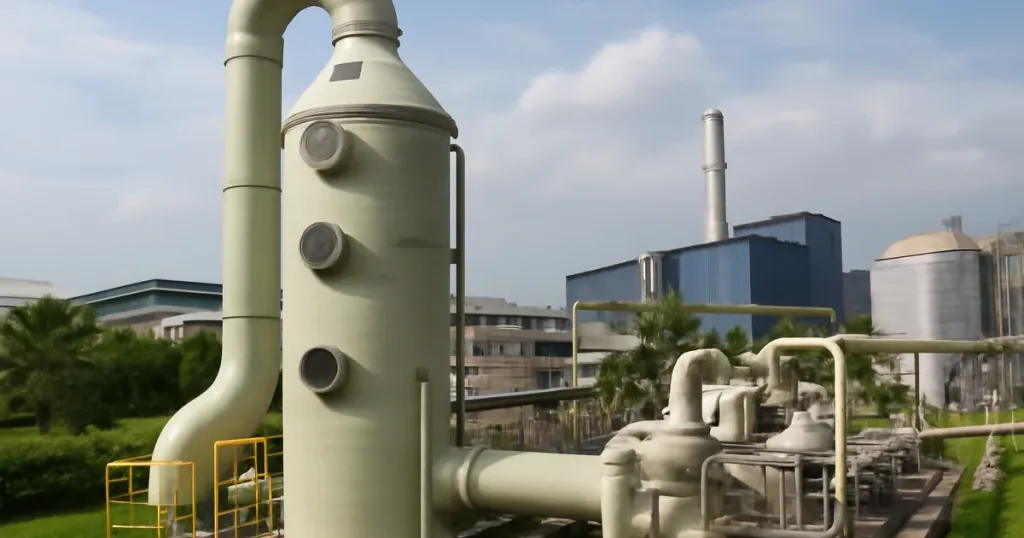
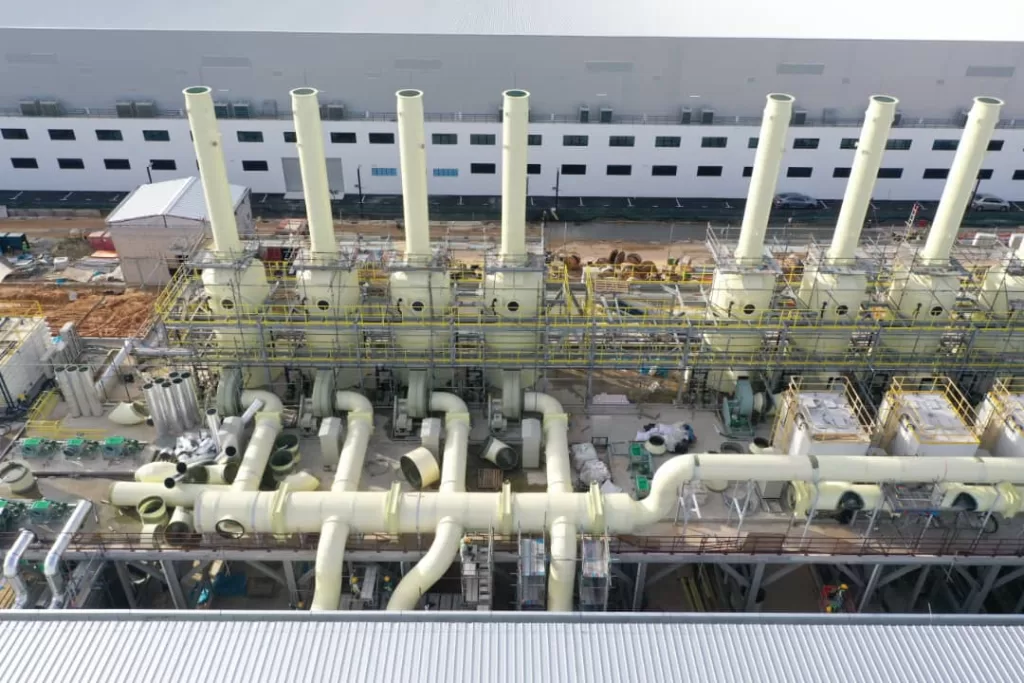
At its core, an activated carbon filter is a highly porous medium capable of adsorbing a wide range of volatile organic compounds (VOCs), odorous gases, and certain hazardous air pollutants. In Malaysia’s humid, high-throughput industrial environments, these filters are commonly integrated into larger FRP scrubber systems, ducting, or even stand-alone exhaust lines to capture contaminants before atmospheric release.
The core advantage of activated carbon lies in its exceptional surface area, making it highly effective at trapping molecules responsible for industrial odours and emissions. This technology is not only relevant for chemical and petrochemical plants, but also finds application in food processing, electronics manufacturing, and wastewater treatment facilities where odour management is critical for regulatory compliance and operational reputation.
Industry Challenges: Balancing Performance and Practicality
While the fundamental science behind activated carbon filtration is well established, industry practitioners face several real-world challenges. These include:
- Media Life and Replacement: The adsorption capacity of carbon is finite. High concentrations of VOCs or moisture can reduce operational lifespan, necessitating regular monitoring and timely replacement.
- System Integration: Proper ducting, flow control, and pre-filtration (such as demisters or particulate filters) are essential to avoid premature clogging and maintain optimal filter efficiency.
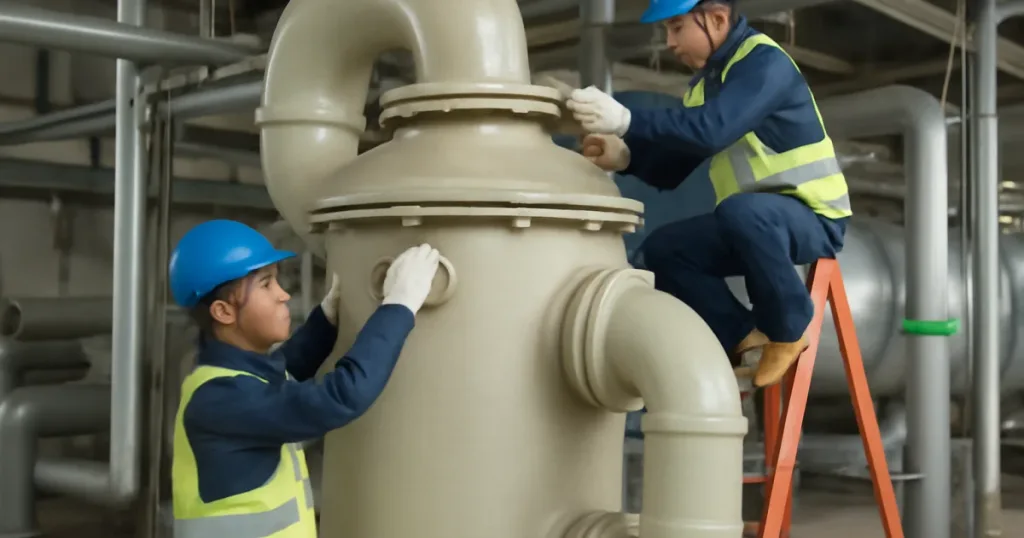
- Material Durability: Housing and ductwork must withstand corrosive gases and harsh cleaning cycles. FRP pipe spools and FRP linings are often selected for their corrosion resistance and long service life in such operations.
- Compliance with Malaysian Standards: Local regulations dictate stack emission limits and monitoring requirements. Well-designed carbon filtration systems help industries meet these standards efficiently.
Key Applications in Malaysia’s Industrial Landscape
Activated carbon filters are widely adopted across sectors where odour and emission control is a priority:
- Chemical and Petrochemical Plants: Used in fume scrubbers to adsorb chemical vapours, acid mists, and solvents from process air streams.
- Water & Wastewater Treatment: Essential for removing hydrogen sulfide and other malodorous gases generated in sewage treatment plants and effluent management systems.
- Semiconductor & Electronics Manufacturing: Critical for removing process gases and maintaining cleanroom standards.
- Food & Beverage Industry: Applied in ventilation systems to manage process odours and protect worker health.
In many cases, filters are integrated into larger FRP scrubber and biofilter systems, delivering a multi-stage approach to air quality management.
Design and Engineering Considerations
Successful implementation of activated carbon filtration involves a combination of careful engineering and practical operation:
- System Sizing: Filter size, air flow rate, and carbon bed depth must be matched to contaminant load and desired removal efficiency. Over-sizing leads to unnecessary cost, while under-sizing risks non-compliance.
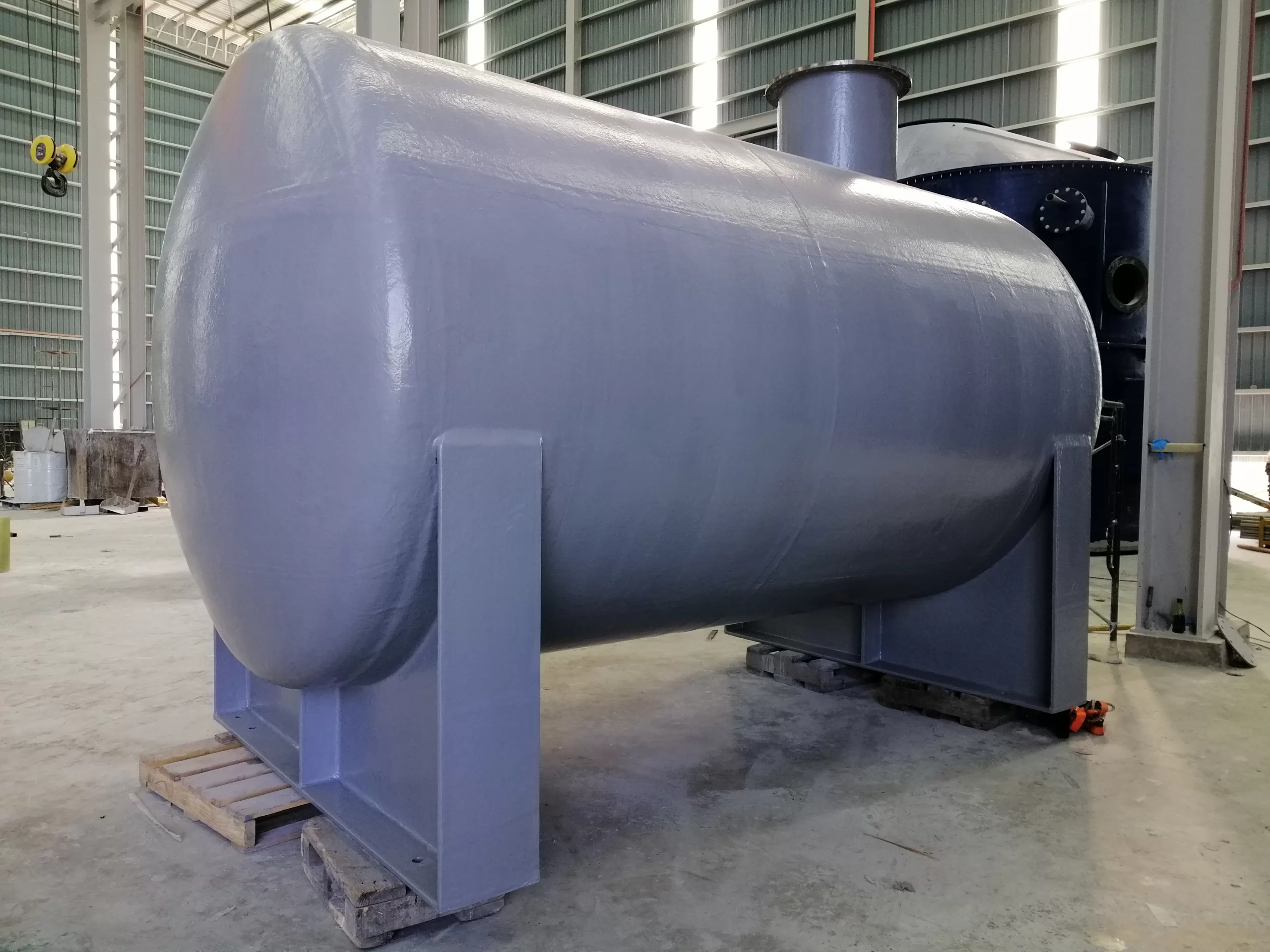
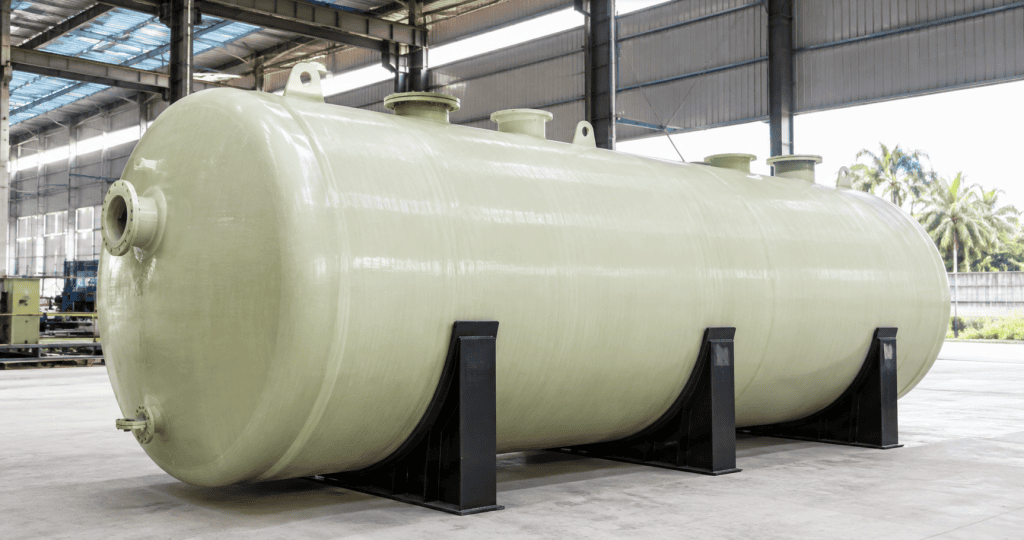
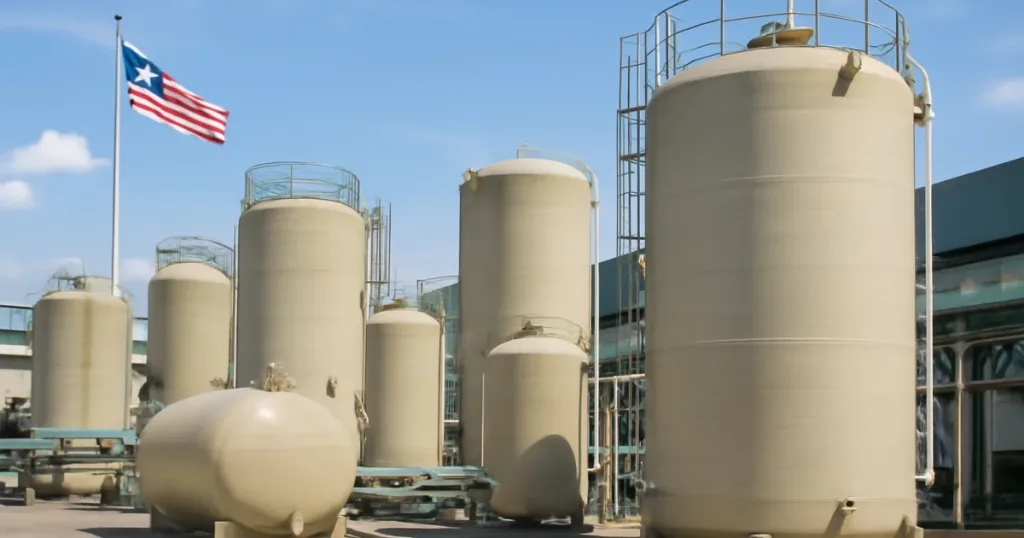
- Material Selection: FRP (Fibre Reinforced Plastic) components—such as ducting, elbows, and horizontal storage tanks—are favoured for their chemical resistance and ability to withstand harsh Malaysian climates.
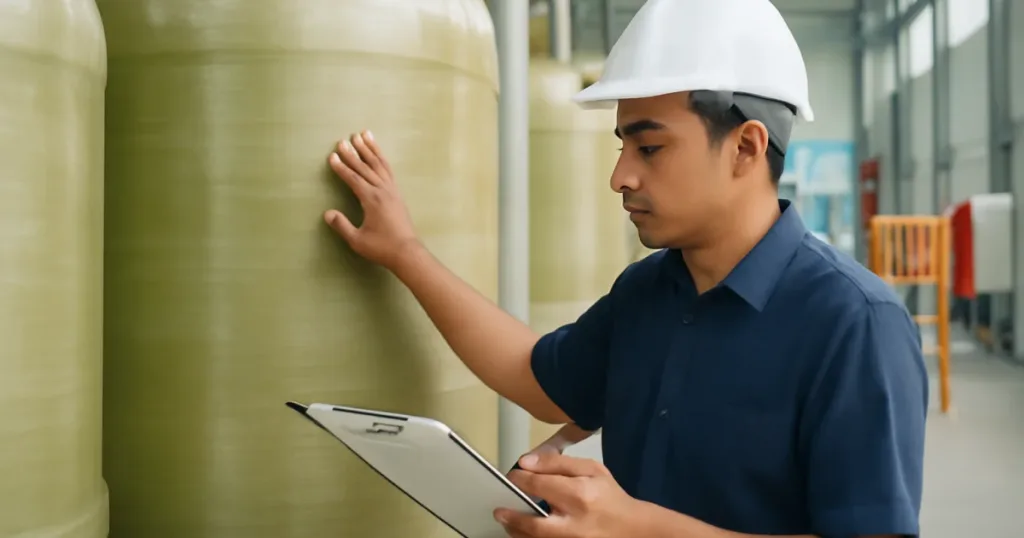
- Maintenance Accessibility: Easy access for inspection, sampling, and carbon change-out is crucial for plant engineers and maintenance teams.
Expert engineering partners, such as Cradotex (M) Sdn Bhd, often provide custom solutions, integrating FRP pipe spools & fittings or offering on-site modification and repair to ensure long-term reliability and compliance.
Opinion: The Growing Importance of Proactive Odour and Emission Control
From an industry perspective, odour and emission control is no longer just a compliance checkbox. Local communities, employees, and regulatory agencies increasingly demand transparency and sustainable practices. In this context, activated carbon filters offer a cost-effective and proven solution, but only when selected, installed, and maintained with a full understanding of site-specific requirements.
For engineers and factory managers, the challenge is not merely technical—it’s strategic. Investing in robust FRP-based carbon filtration systems can reduce downtime, safeguard reputations, and pave the way for future-proof operations. As environmental standards in Malaysia evolve, forward-thinking companies are moving from reactive fixes to proactive air quality management—often supported by technology partners with deep expertise in FRP fabrication and integrated system design.
Conclusion
Activated carbon filters play a vital role in Malaysia’s industrial odour and emission control landscape. Their effectiveness depends on proper engineering, integration with corrosion-resistant FRP components, and a commitment to ongoing system maintenance. For environmental consultants, engineers, and sustainability teams, partnering with experienced solution providers can make the difference between mere compliance and true operational excellence. As Malaysia continues to develop, adopting best practices in emission control will remain essential for responsible and competitive industry growth.
For further reading on industrial air purification and best practice applications, refer to our guide on how activated carbon filters keep industrial air clean and safe in Malaysia.
Frequently Asked Questions
What is an activated carbon filter and how does it work?
An activated carbon filter is a filtration device filled with highly porous carbon media. It works by adsorbing odorous gases, volatile organic compounds (VOCs), and certain hazardous air pollutants from air streams. As contaminated air passes through the filter, molecules adhere to the extensive surface area of the activated carbon, effectively removing unwanted substances before they are released into the environment.
Why are FRP (Fibre Reinforced Plastic) components used in emission control systems in Malaysia?
FRP components are preferred for emission control systems in Malaysia because they offer outstanding corrosion resistance, durability, and longevity in humid and chemically aggressive industrial environments. FRP ducting, pipe spools, elbows, and storage tanks help ensure the structural integrity and operational reliability of odour and emission control systems, reducing maintenance needs and long-term costs.
How often should activated carbon filters be replaced in industrial settings?
The replacement frequency of activated carbon filters depends on factors such as contaminant concentration, air flow rate, and humidity. In most Malaysian industrial applications, filters are monitored regularly and replaced when their adsorption capacity is exhausted—this can range from a few months to over a year, depending on system load and proper pre-filtration. Scheduled maintenance and periodic testing help optimise filter performance and compliance.
What are the key benefits of using activated carbon filters for odour and emission control?
Activated carbon filters provide efficient removal of a wide range of odorous and harmful air pollutants, helping facilities comply with local environmental regulations. They offer flexible integration with scrubber systems, require minimal energy to operate, and can be customised for specific industrial processes. This leads to improved air quality, better community relations, and reduced risk of regulatory penalties.
How do I choose the right emission control solution for my facility?
Selecting the right emission control solution requires evaluating the specific contaminants, expected air flow, space constraints, and maintenance requirements of your facility. Consulting with experienced engineering partners—such as those specialising in FRP-based systems and activated carbon filtration—can help tailor a solution that meets both technical and regulatory needs.
Partner with Cradotex (M) Sdn Bhd for Reliable Odour and Emission Control
Ready to enhance your facility’s air quality and ensure environmental compliance? Cradotex (M) Sdn Bhd offers comprehensive engineering, fabrication, and installation of FRP-based emission control solutions—including advanced activated carbon filter systems, FRP ducting, pipe spools, and scrubber units. With decades of industry expertise and a commitment to custom engineering, our team supports you from concept to commissioning and beyond. Discover how we can help safeguard your operations, your workforce, and your community.