Beginner’s Guide to FRP Horizontal Storage Tank Solutions for Malaysian Industries
For industries in Malaysia handling chemicals, water, or wastewater, choosing the right storage tank is crucial. Facility owners, engineers, and purchasing teams face challenges in ensuring safety, durability, and compliance. FRP horizontal storage tanks have become a leading solution for these needs, offering impressive corrosion resistance and cost-effectiveness. This beginner’s guide explains what FRP horizontal storage tanks are, their advantages, and how to select the best option for your facility. For readers comparing options, FRP Horizontal Storage Tank Malaysia is the main topic this guide explains.
What Are FRP Horizontal Storage Tanks?
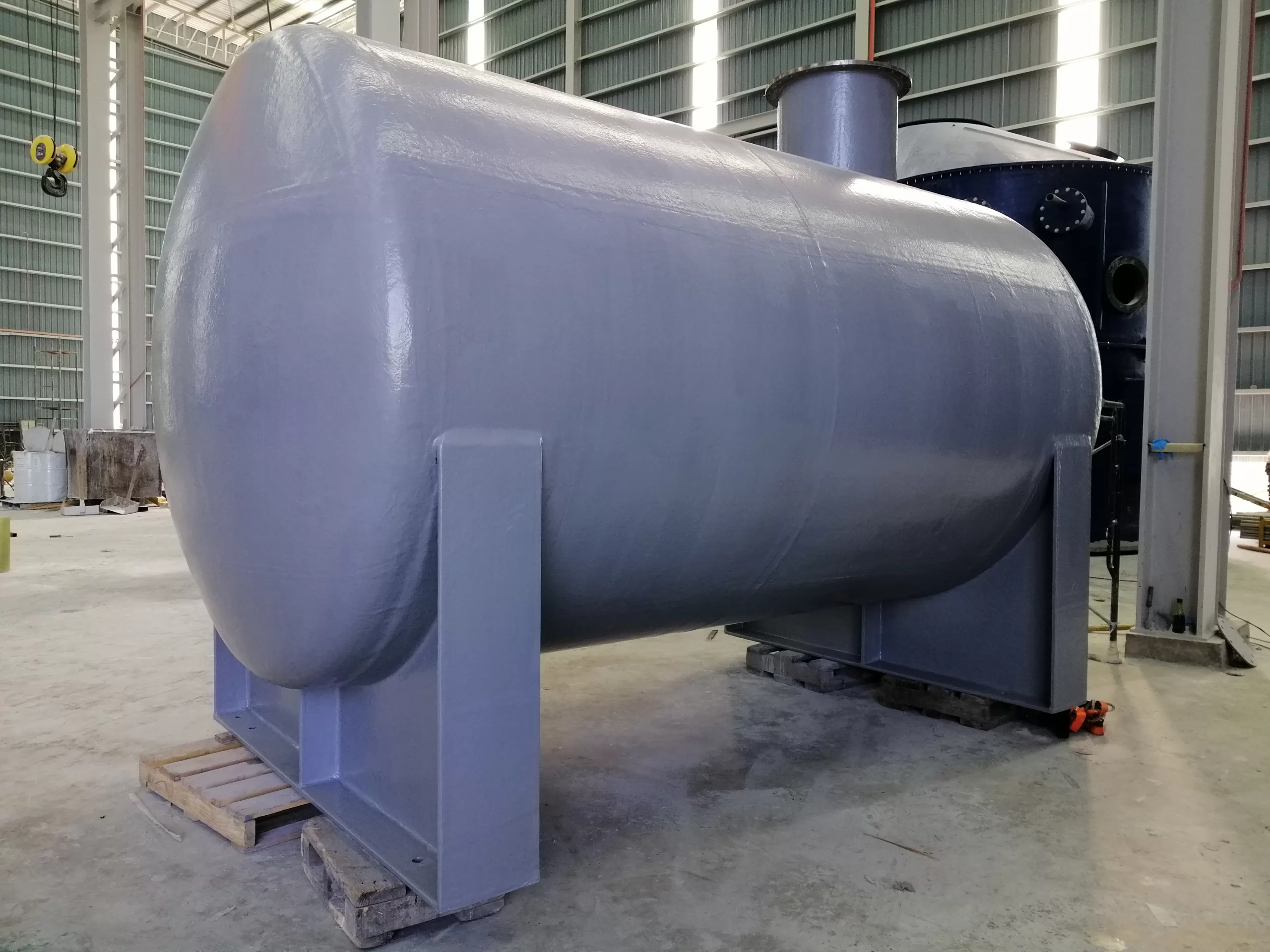
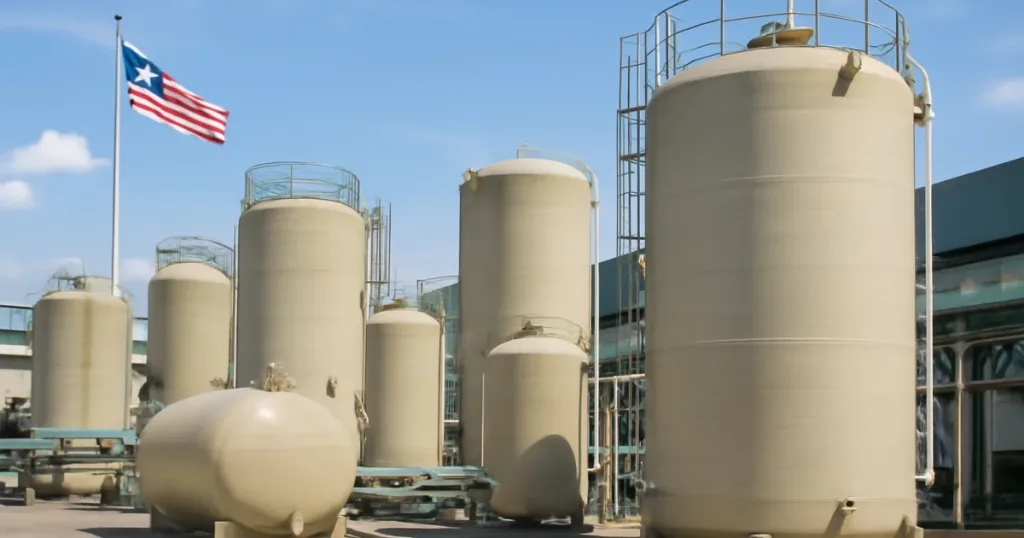
FRP stands for Fibre-Reinforced Plastic, a composite material made from a polymer matrix reinforced with glass fibres. In industrial applications, FRP is used to manufacture tanks, pipes, ducting, and other equipment that must withstand harsh environments. A horizontal storage tank is designed with a cylindrical body positioned horizontally, offering stability and efficient use of space, especially in areas with height restrictions.
FRP horizontal tanks are widely used in various Malaysian industries, including water & wastewater treatment, chemical processing, oil & gas, and food & beverage manufacturing. Their design caters to both above-ground and underground installations, making them versatile for different facility layouts.
Key Benefits of FRP Horizontal Storage Tanks
- Superior Corrosion Resistance: FRP tanks are immune to rust and chemical attack, making them ideal for storing aggressive chemicals, effluents, and water.
- Long Service Life: With proper engineering and maintenance, FRP tanks can last decades, reducing replacement and downtime costs.
- Custom Engineering: Leading manufacturers can design tanks to fit specific site conditions, including custom sizes, shapes, and nozzle configurations.
- Lightweight Yet Strong: FRP tanks are lighter than steel but offer high mechanical strength, simplifying transportation and installation.
- Low Maintenance: The non-porous surface and resistance to fouling minimize cleaning and repair needs over the tank’s lifecycle.
- Compliance with International Standards: Reputable suppliers design and fabricate according to global codes, ensuring safety and reliability.
These advantages make FRP horizontal tanks an excellent fit for Malaysian plants dealing with water, chemicals, and wastewater under demanding conditions.
Common Applications in Malaysian Industries
FRP horizontal tanks are a preferred choice for:
- Chemical Storage: Safely containing acids, alkalis, solvents, and other corrosive materials in chemical, petroleum, and semiconductor plants.
- Water & Wastewater Treatment: Managing process water, treated effluent, and sludge in treatment facilities and municipal plants. For rectangular or square tanks, see FRP Rectangular Square Tank options.
- Industrial Process Storage: Serving as buffer, mix, or day tanks for process fluids in manufacturing and power generation.
- Food & Beverage Processing: Storing ingredients, process water, and cleaning solutions in environments requiring hygiene and corrosion resistance.
- Mining & Metal Processing: Handling aggressive solutions in electroplating, leaching, and mineral processing.
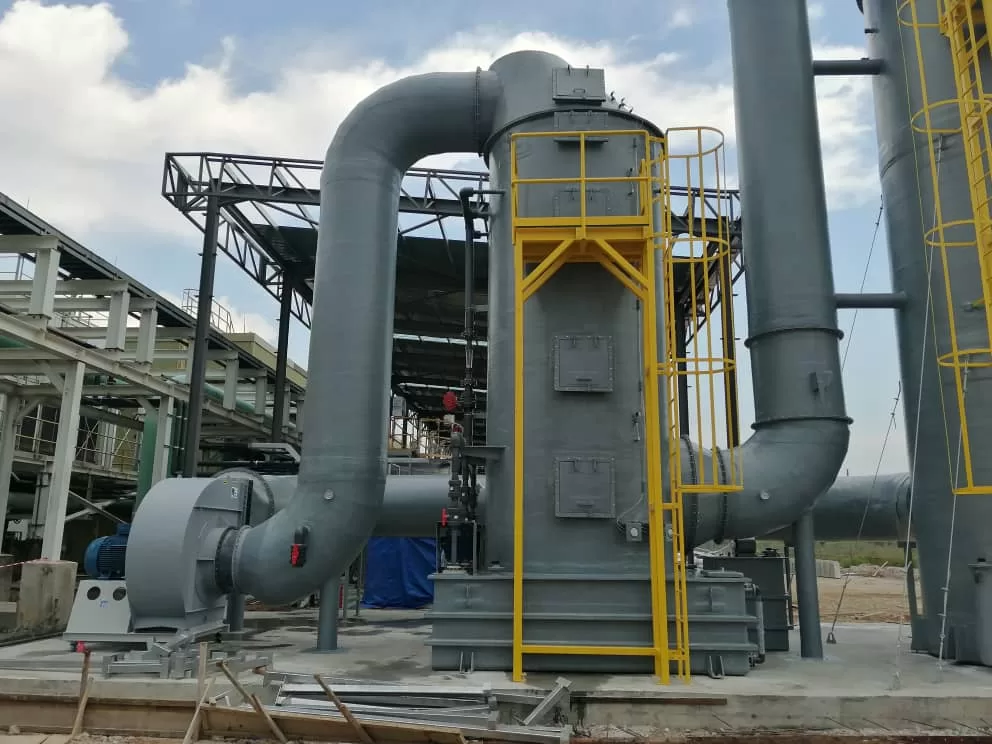
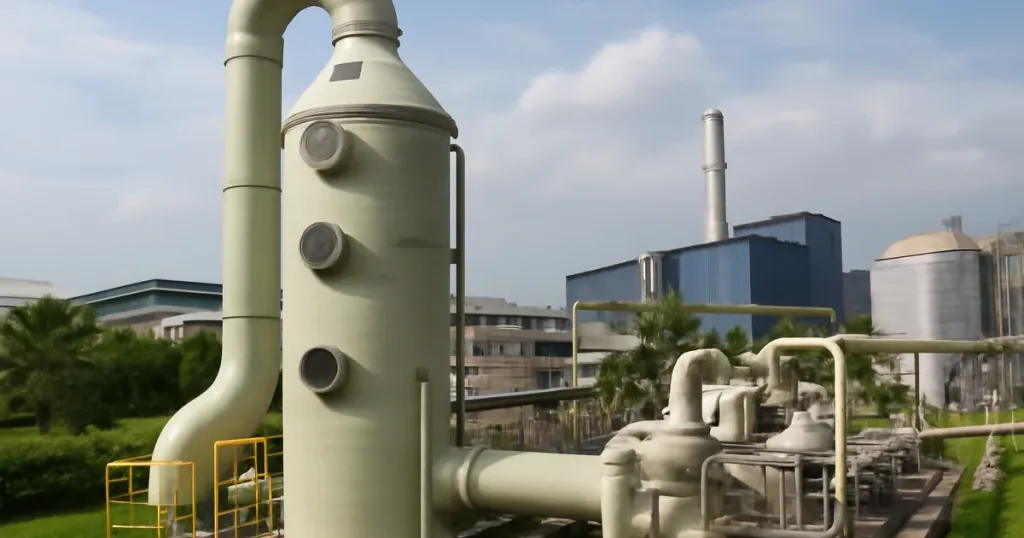
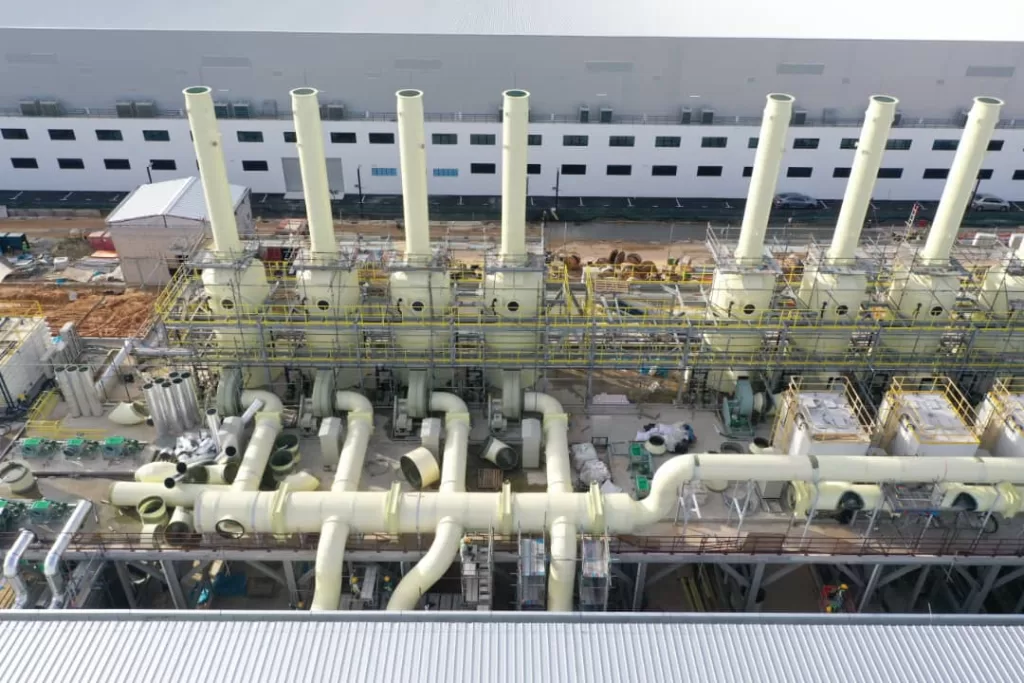
FRP horizontal tanks also integrate smoothly with FRP piping and ducting systems, such as FRP pipe spools and fittings, creating a comprehensive corrosion-resistant infrastructure.
How FRP Horizontal Storage Tanks Are Made
The manufacturing of FRP horizontal tanks involves several steps to ensure strength and durability:
- Engineering Design: Each tank is designed based on required volume, chemical compatibility, pressure ratings, and site conditions. International standards and safety factors are applied.
- Material Selection: The resin system is chosen for optimal chemical resistance—commonly vinylester or polyester resins for industrial use.
- Lamination Process: Glass fibre layers are applied in a controlled process, either by hand lay-up or filament winding, to achieve the necessary wall thickness and reinforcement.
- Quality Assurance: Tanks undergo inspection and testing, such as hydrostatic and visual checks, to verify structural integrity and leak-tightness.
Some projects require FRP lining or coating for additional protection, especially when retrofitting existing tanks or structures.
Choosing the Right FRP Horizontal Storage Tank for Your Facility
Selecting the best FRP horizontal tank involves considering several factors:
- Chemical Compatibility: Ensure the resin system matches the chemical properties of your stored media.
- Capacity and Dimensions: Evaluate your site footprint and required storage volume. Horizontal tanks are ideal for limited vertical space.
- Installation Environment: Consider environmental conditions, such as exposure to sunlight, weather, or underground installation.
- Required Accessories: Specify the number and type of nozzles, manways, level indicators, and support saddles needed.
- Compliance and Certification: Work with suppliers who adhere to international codes and offer documentation for quality and safety.
For specialised requirements or unique site challenges, experienced suppliers like Cradotex (M) Sdn Bhd provide custom engineering and on-site support, including field-assembled tanks and modifications.
Installation, Maintenance, and Lifecycle Considerations
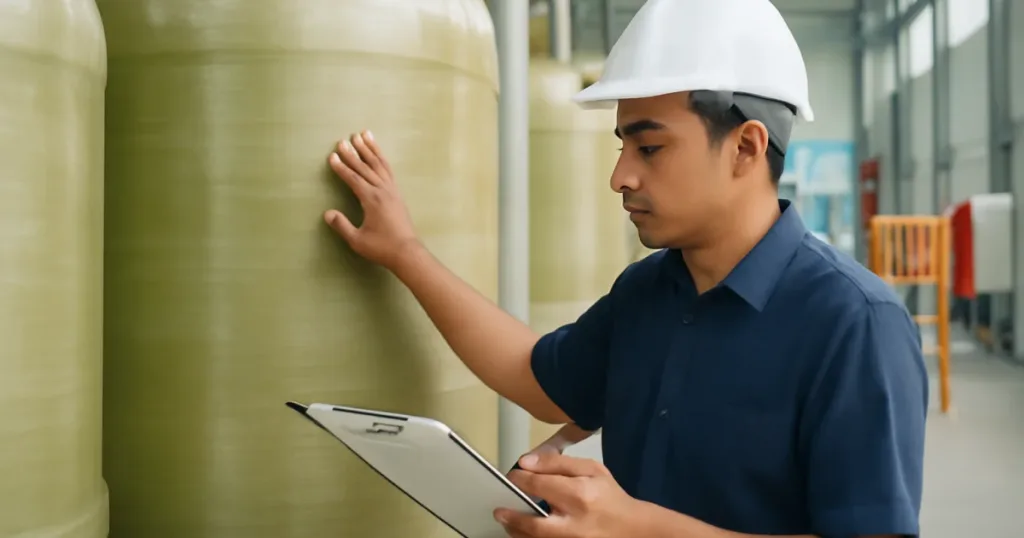
Proper installation is key to maximising the lifespan of your FRP horizontal storage tank. Tanks should be positioned on stable supports, aligned correctly, and fitted with necessary restraints. Maintenance typically involves periodic inspection for surface wear, joint integrity, and cleaning. The non-corrosive nature of FRP reduces the frequency and cost of repairs compared to steel or concrete tanks.
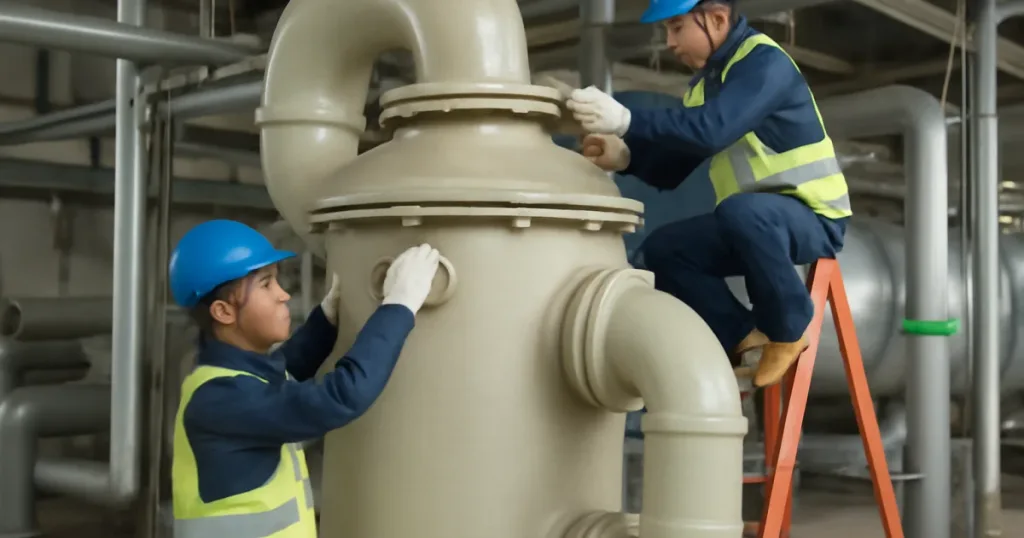
Cradotex offers comprehensive installation, modification, and repair services to support tanks throughout their operational life. If your facility requires ventilation or exhaust management, integrating FRP ducting and elbows can further enhance system reliability. Learn more about FRP horizontal tank solutions and related products for your plant.
Conclusion: Future-Proofing Industrial Storage in Malaysia
FRP horizontal storage tanks combine safety, durability, and flexibility, making them an excellent investment for Malaysian industries facing tough storage demands. By understanding their structure, benefits, and application, new facility owners and engineers can make informed decisions that protect assets and streamline operations. As regulations tighten and operational standards rise, choosing high-quality FRP tanks from a trusted supplier ensures peace of mind and long-term value.
Frequently Asked Questions
What is an FRP horizontal storage tank and how is it different from other tanks?
An FRP horizontal storage tank is made from fibre-reinforced plastic and is designed with its cylindrical axis laid horizontally. Unlike steel or concrete tanks, FRP tanks offer superior corrosion resistance and are much lighter, making them easier to install and maintain. The horizontal design is ideal for areas with height restrictions or where stability is important.
Why are FRP horizontal storage tanks suitable for chemical storage in Malaysia?
FRP horizontal storage tanks are highly resistant to corrosion from acids, alkalis, and industrial chemicals, which are common in Malaysian industries. Their design prevents leaks and ensures long service life even in humid or aggressive environments, making them a safe and reliable choice for chemical storage.
How do I select the right FRP horizontal storage tank for my facility?
To choose the right tank, consider the type of chemical or liquid to be stored, required capacity, available space, installation environment, and any special fittings or accessories needed. It is also important to select a supplier who provides proper engineering, quality control, and compliance with international standards.
What maintenance is required for FRP horizontal storage tanks?
FRP tanks require minimal maintenance due to their resistance to corrosion and fouling. Regular inspections should focus on checking for surface wear, joint integrity, and the condition of fittings. Cleaning is generally straightforward and can often be done with water or mild detergents.
Can FRP horizontal tanks be customised for specific industrial needs?
Yes, FRP horizontal tanks can be custom engineered for different sizes, shapes, nozzle arrangements, and chemical compatibilities. Suppliers like Cradotex (M) Sdn Bhd offer custom fabrication and on-site assembly to meet unique project requirements.
Ready to Upgrade Your Industrial Storage?
Cradotex (M) Sdn Bhd is Malaysia’s trusted partner for FRP horizontal storage tanks and complete corrosion-resistant solutions. Our team offers end-to-end services—from design and fabrication to installation, inspection, and repair—tailored to your specific industry and site needs. Whether you require chemical, water, or process storage, rely on our decades of experience and commitment to quality. Contact us today for a free consultation and discover how our FRP solutions can benefit your facility.