Advantages of FRP Chemical Storage Tanks for Malaysian Industries
FRP (Fiberglass Reinforced Plastic) chemical storage tanks are increasingly used across Malaysian industries for storing acids, alkalis, and other industrial chemicals safely and efficiently. Compared to traditional materials like steel or concrete, FRP tanks offer superior corrosion resistance, durability, and flexibility in design.
This guide explains the advantages of FRP chemical storage tanks and why they are a preferred solution for Malaysian industrial applications.
What Are FRP Chemical Storage Tanks?
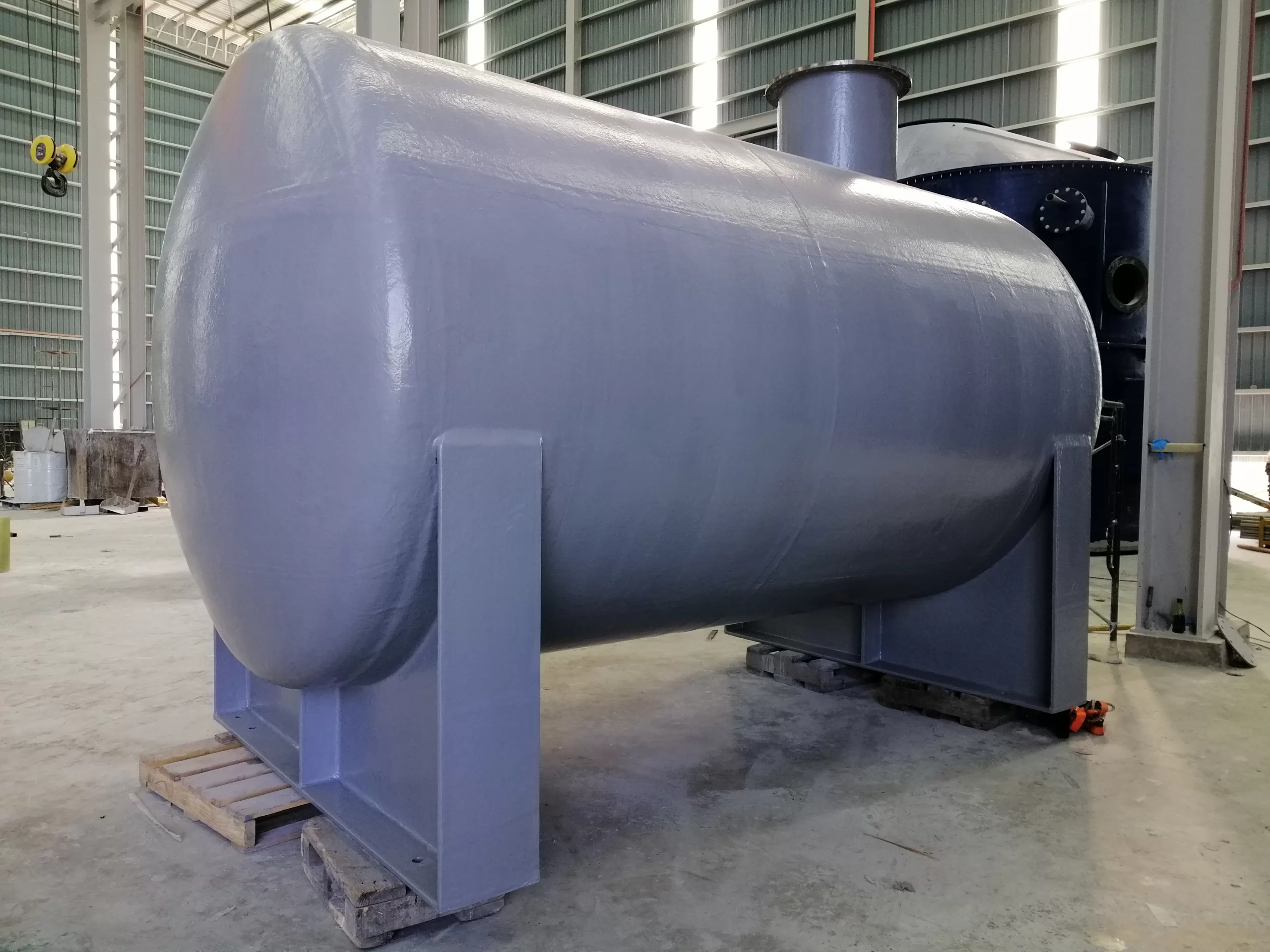
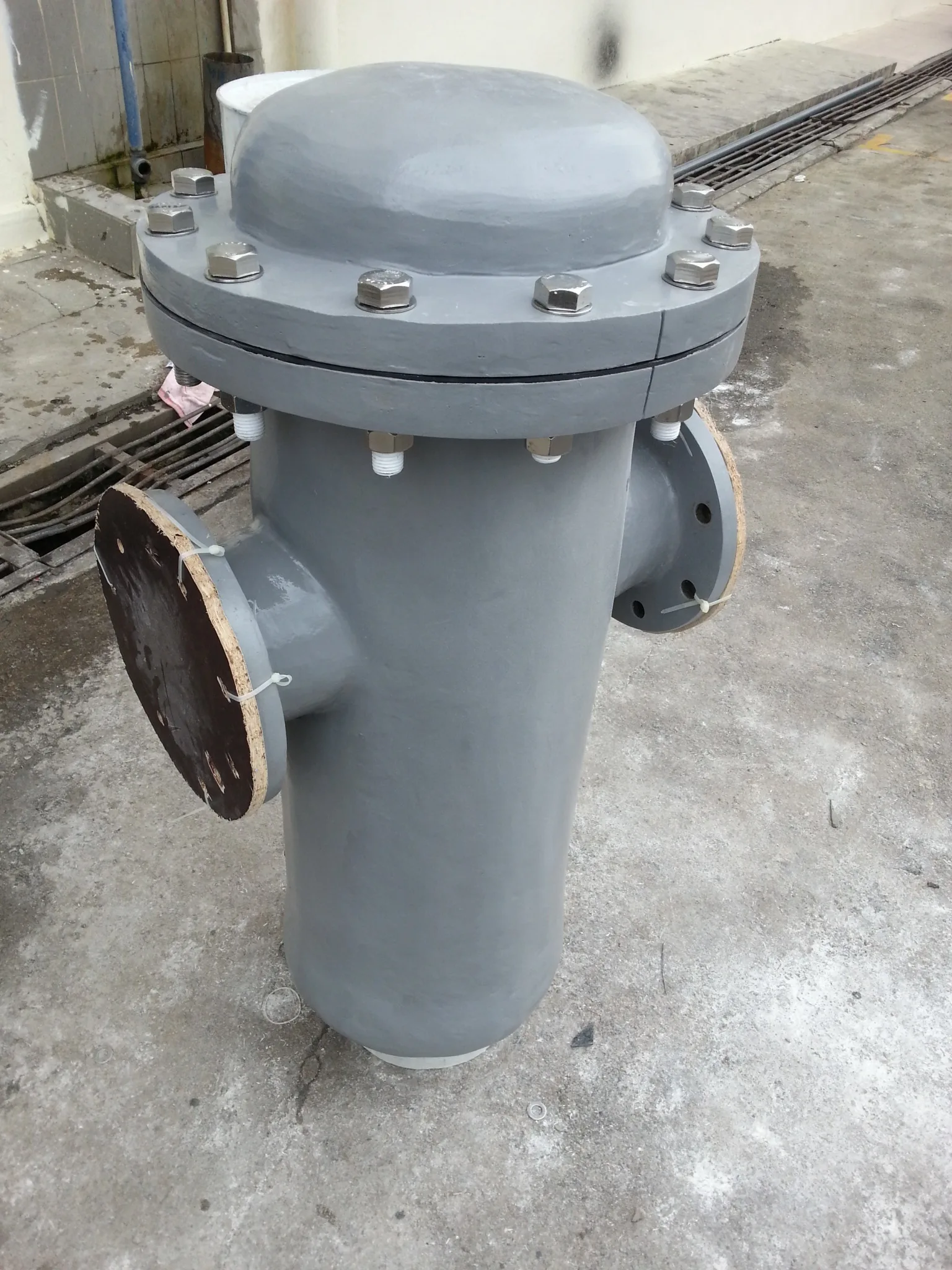
FRP chemical storage tanks are prefabricated tanks made from fiberglass-reinforced resin, engineered to store hazardous or corrosive liquids safely. They are lightweight, strong, and can be custom-designed to suit specific chemical types, capacities, and site conditions.
Key characteristics:
- Corrosion-resistant against acids, alkalis, and salts
- Lightweight yet strong, reducing installation effort
- Can be fabricated in horizontal or vertical configurations
- Compatible with Malaysian tropical climates
Advantages of FRP Chemical Storage Tanks
FRP tanks provide several benefits for industrial facilities in Malaysia:
1. Superior Corrosion Resistance
- Unlike steel tanks, FRP does not rust or corrode, even with highly acidic or alkaline chemicals.
- Long service life in harsh environments reduces replacement and maintenance costs.
2. Lightweight and Easy to Install
- Fiberglass construction makes tanks much lighter than metal or concrete alternatives.
- Reduces transportation, lifting, and installation complexity, especially for rooftop or confined spaces.
3. Flexible Design and Customisation
- Tanks can be manufactured in various sizes and shapes to fit site constraints.
- Supports horizontal, vertical, and multi-compartment designs for diverse storage needs.
4. Chemical Compatibility and Safety
- FRP can be engineered with different resin systems depending on the chemicals stored.
- Resistant to chemical reactions, preventing leaks, spills, and safety hazards.
5. Low Maintenance and Long Lifespan
- Minimal upkeep required compared to metal tanks.
- Resistant to UV, moisture, and microbial growth, ideal for Malaysia’s tropical climate.
6. Cost-Effective Lifecycle
- Although initial costs may be higher than some plastics, FRP tanks save money over time due to reduced maintenance, downtime, and replacement.
Common Applications in Malaysia
FRP chemical storage tanks are widely used in industries such as:
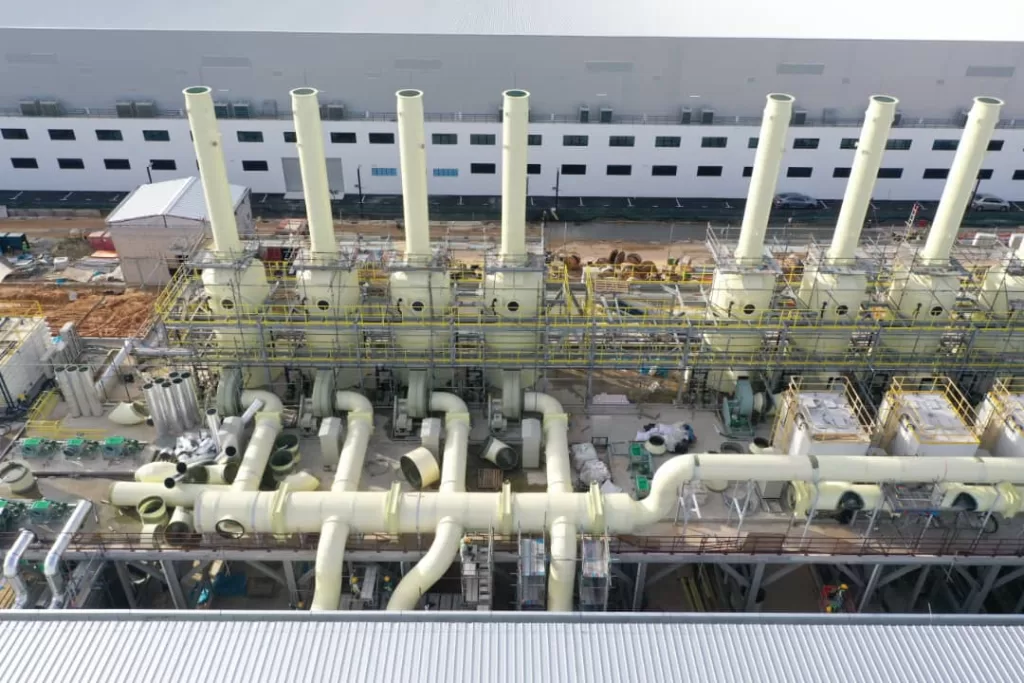
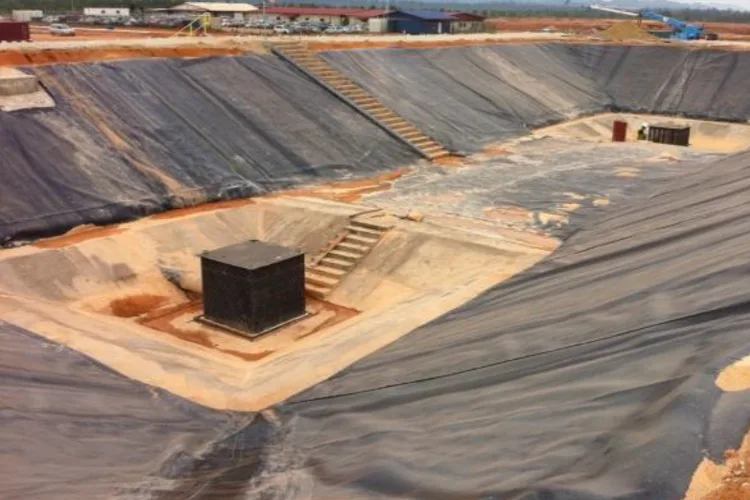
- Water and wastewater treatment plants
- Chemical and petrochemical processing
- Food and beverage manufacturing
- Pharmaceutical and electronics industries
- Industrial facilities requiring safe storage of corrosive liquids
Why Choose Cradotex for FRP Chemical Storage Tanks
At Cradotex, we specialise in custom-engineered FRP chemical storage tanks for Malaysian industries. Our tanks are designed for durability, safety, and compliance, with decades of experience in corrosion-resistant systems.
Key advantages of working with Cradotex:
- In-house FRP tank design and fabrication
- Custom sizing for chemical type, volume, and site conditions
- Expertise across multiple industries including water, chemical, and manufacturing
- Compliance with ISO 9001 and ISO 45001 standards
- Technical guidance for installation, operation, and maintenance
For expert support in selecting or designing FRP chemical storage tanks, contact our team today.
Conclusion
FRP chemical storage tanks are a safe, durable, and cost-effective solution for Malaysian industries dealing with corrosive or hazardous liquids. With superior chemical resistance, flexible design, and low maintenance requirements, FRP tanks ensure operational reliability and long-term safety for industrial facilities
Frequently Asked Questions (FAQs)
1. What chemicals can FRP storage tanks safely hold?
FRP storage tanks can safely store a wide range of corrosive and industrial chemicals, including acids, alkalis, salts, and other hazardous liquids. The resin system can be customised to match the chemical compatibility required.
2. How long do FRP chemical storage tanks last?
With proper installation and maintenance, FRP tanks can last 15–25 years or more. Their corrosion resistance and UV-protected surfaces make them durable even in Malaysia’s tropical climate.
3. Can FRP tanks be custom-designed for specific site requirements?
Yes. FRP tanks can be manufactured in various sizes, shapes, and orientations—horizontal, vertical, or multi-compartment—to fit space constraints and operational needs.
4. How do I maintain an FRP chemical storage tank?
Maintenance is minimal. Routine inspections of the tank, connections, and supports, along with checking for leaks or damage, are usually sufficient. FRP’s corrosion resistance reduces the need for frequent repairs compared to metal tanks.