The Ultimate Guide to FRP Pipe Spools and Fittings in Malaysia: Benefits, Uses & Selection Tips
Fiberglass Reinforced Plastic (FRP) pipe spools and fittings are rapidly becoming a top choice for industries across Malaysia that need long-lasting, corrosion-resistant, and custom-engineered piping solutions. Whether you are working on a chemical plant, wastewater system, or industrial facility, understanding how FRP works and how to choose the right products can save you time and cost while improving reliability.
This comprehensive guide explains what FRP pipe spools and fittings are, why they matter for Malaysian projects, and how to choose the right solutions for your needs.
What Are FRP Pipe Spools and Fittings?
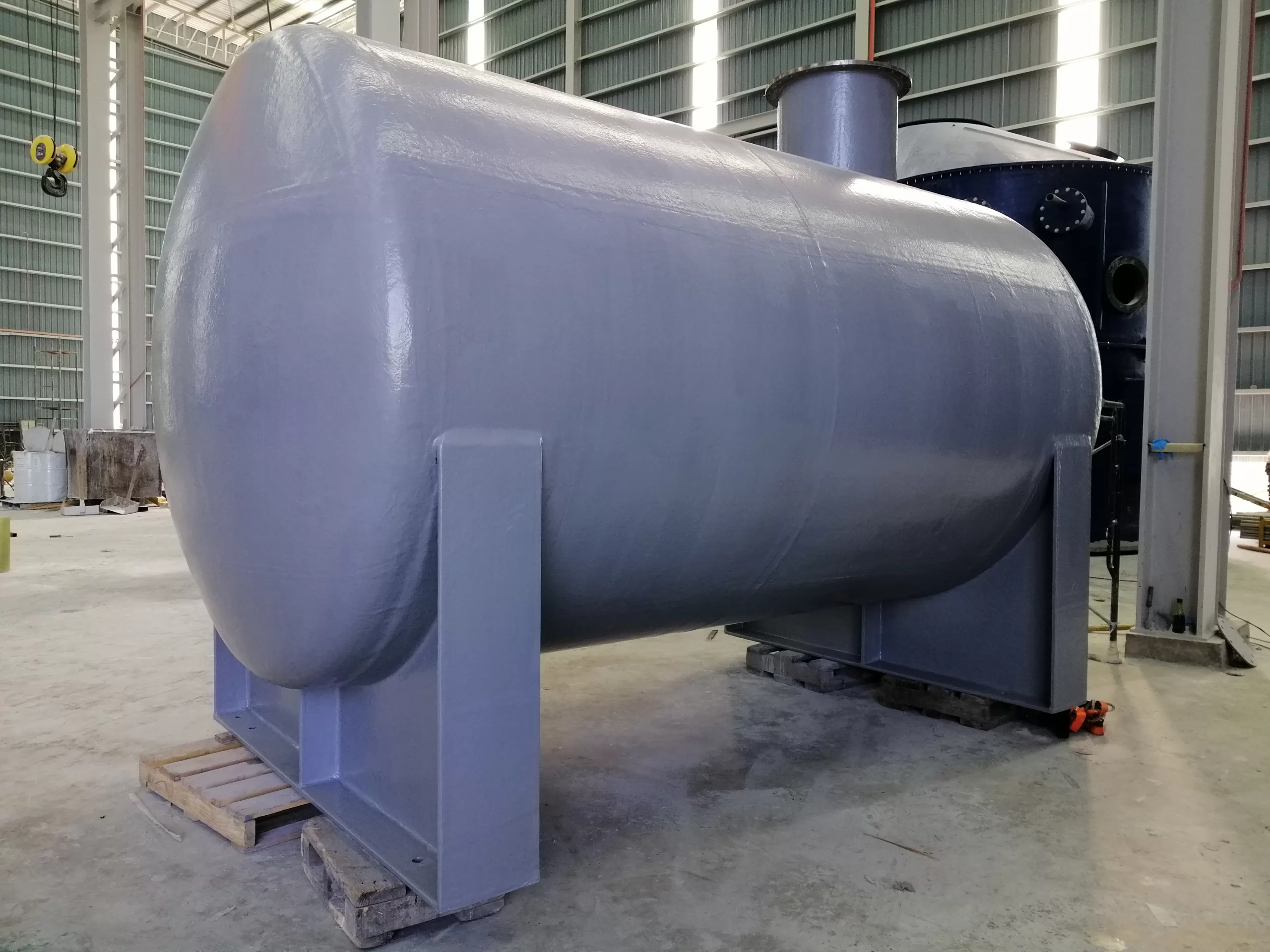
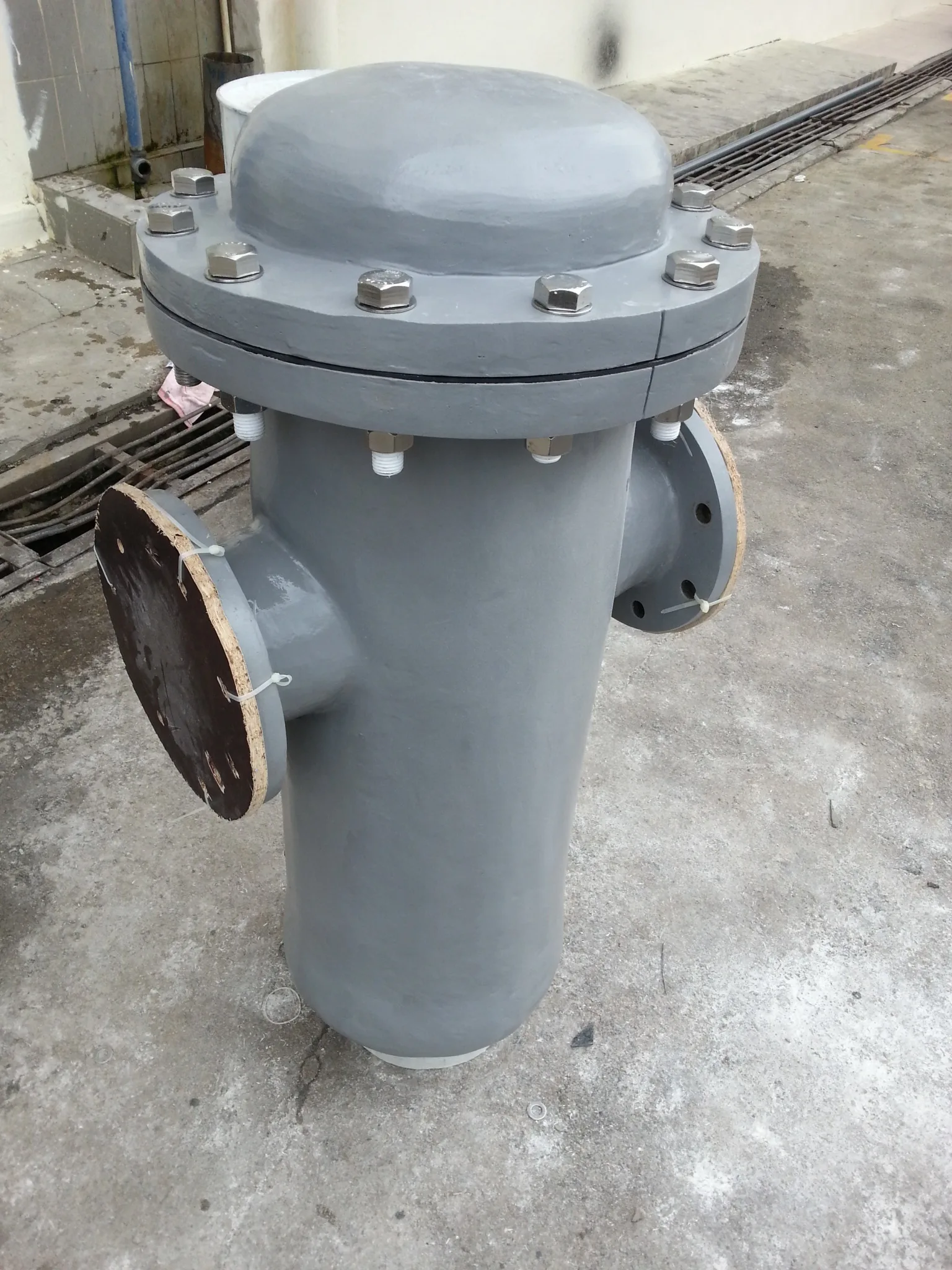
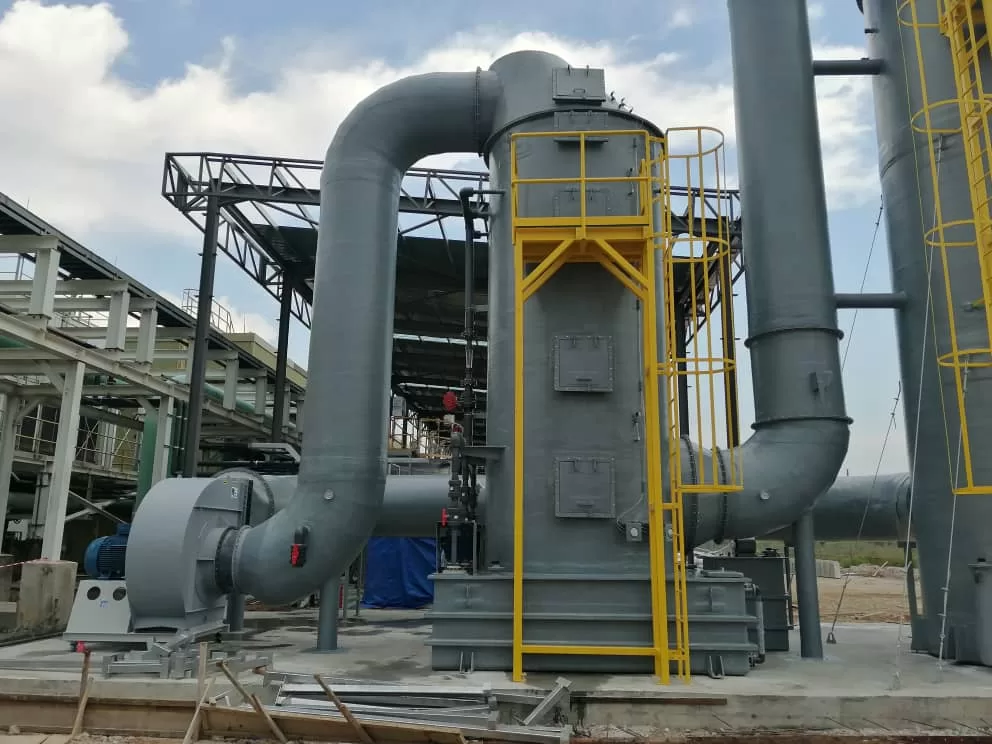
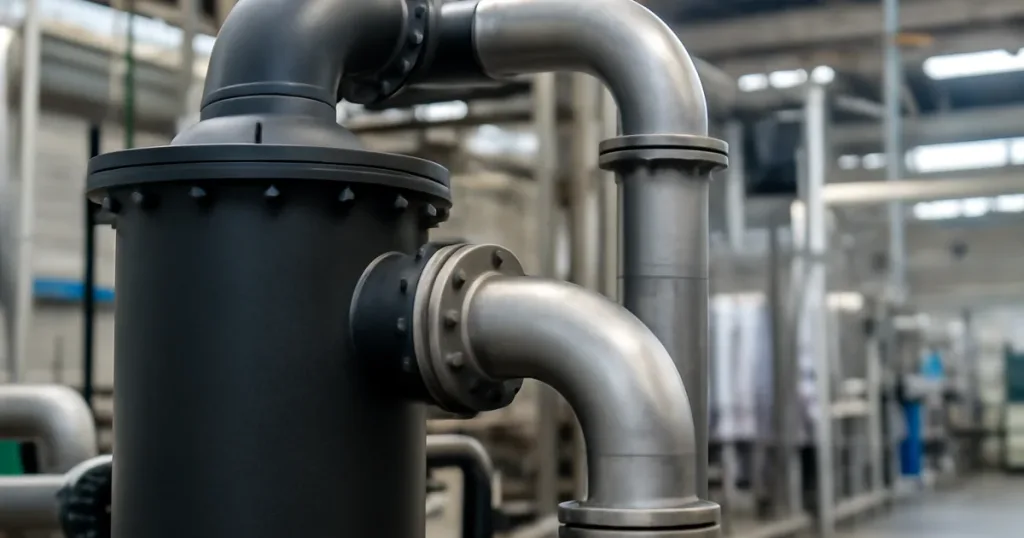
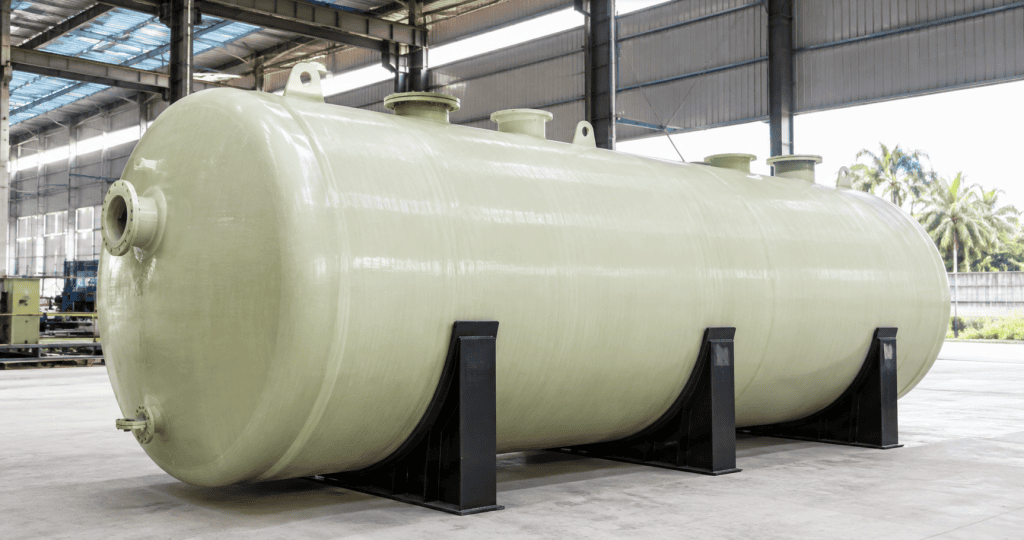
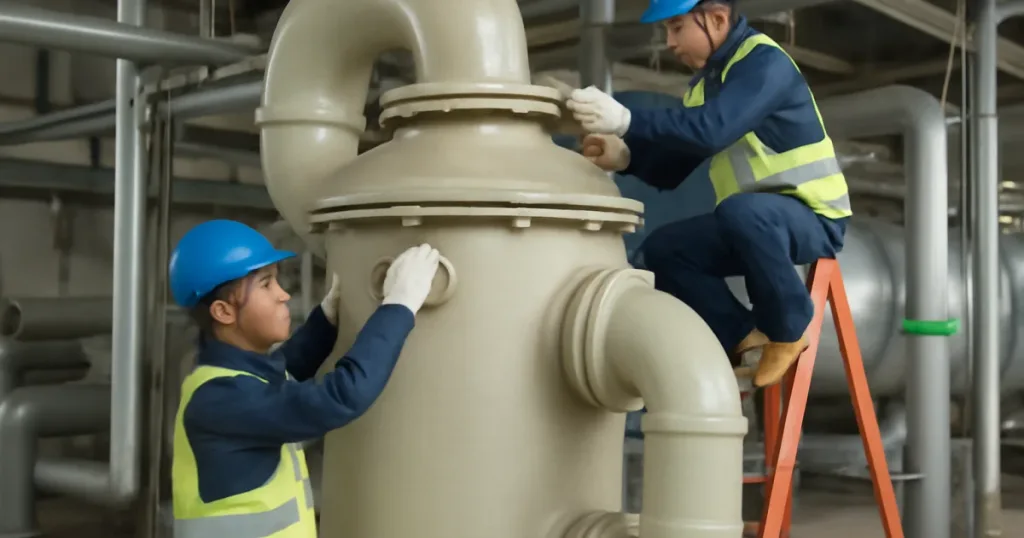
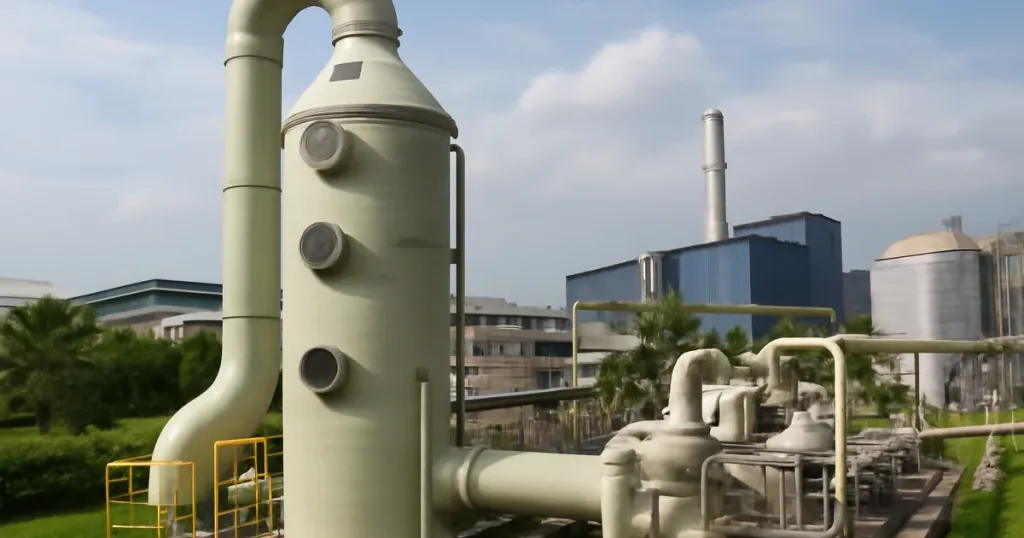
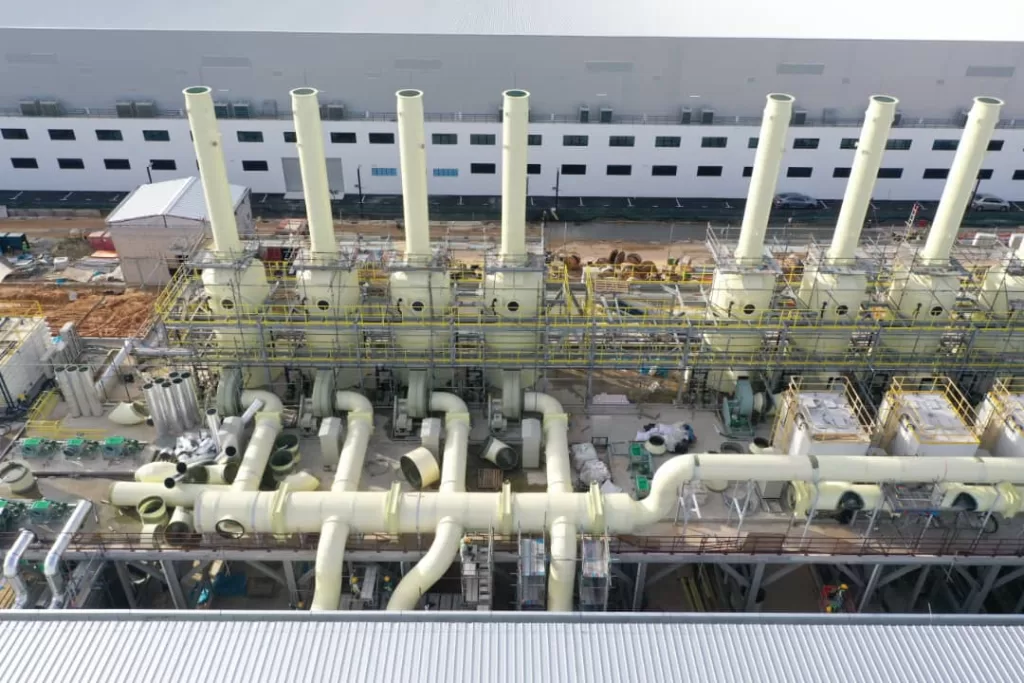
FRP pipe spools and fittings are prefabricated sections of FRP piping assembled with bends, tees, reducers, and flanges that form a complete piping layout. FRP itself is a composite material made from fiberglass reinforcement and a polymer resin, giving it excellent strength and corrosion resistance.
Why FRP Pipes and Fittings Are Important in Malaysia
Malaysia’s tropical climate and industrial environments expose materials to moisture, chemicals, and UV exposure, which can lead to corrosion and failure over time. Here are the key benefits FRP brings to the table:
Corrosion Resistance
FRP materials resist corrosion from acids, alkalis, and industrial fluids much better than steel or traditional metals. Every pipeline has a minimum 2 mm corrosion barrier, and Cradotex customises this barrier based on the fluid being handled.
Lightweight Yet Strong
Compared with metal piping, FRP is lighter and easier to install, without sacrificing structural strength. This results in lower transportation and handling costs for large projects.
UV Protection
Standard FRP pipe spools and fittings include a pigmented topcoat with UV absorbers, which protects them from sunlight degradation even in outdoor installations.
Customised for Each Application
Unlike commodity pipes, FRP spools and fittings can be designed to meet specific chemical compositions, pressure ratings, and environmental conditions. This ensures optimal performance for industrial systems.
Typical Applications of FRP Pipe Spools in Malaysia
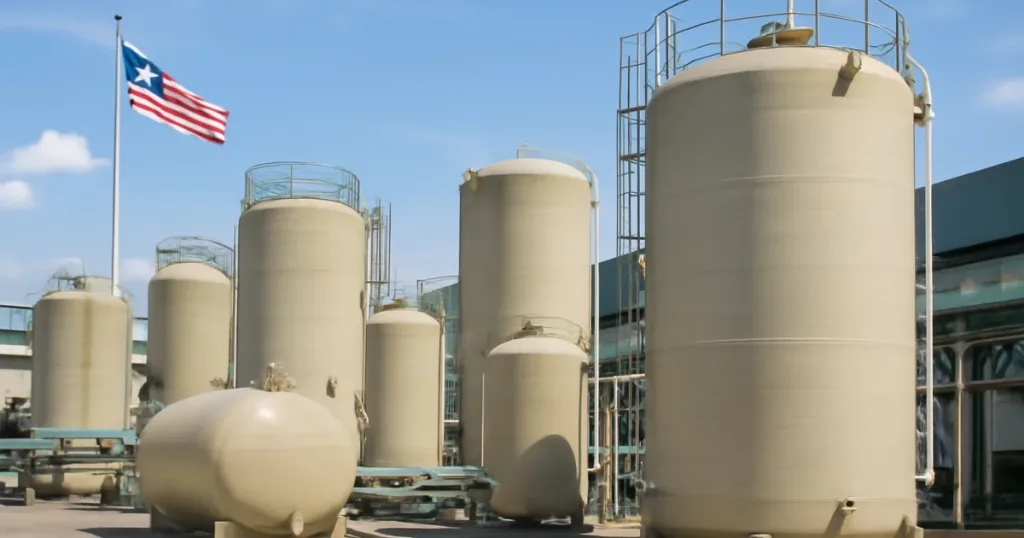
FRP piping systems are found across a wide range of sectors. According to the industries served by Cradotex, these include:
- Water and wastewater treatment
- Chemical and petroleum processing
- Power generation plants
- Food and beverage manufacturing
- Electronics and semiconductor facilities
- Oil and gas operations
- Mining and metal processing
These industries require piping that can handle corrosion, chemical exposure, and demanding operating cycles, which FRP is well suited for.
Typical Applications of FRP Pipe Spools in Malaysia
FRP piping systems are found across a wide range of sectors. According to the industries served by Cradotex, these include:
- Water and wastewater treatment
- Chemical and petroleum processing
- Power generation plants
- Food and beverage manufacturing
- Electronics and semiconductor facilities
- Oil and gas operations
- Mining and metal processing
These industries require piping that can handle corrosion, chemical exposure, and demanding operating cycles, which FRP is well suited for.
Key Benefits of Choosing FRP Pipe Spools Over Traditional Materials
1. Long Service Life
FRP resists corrosion and degradation better than steel, reducing the need for frequent replacement and repairs.
2. Lower Maintenance Requirements
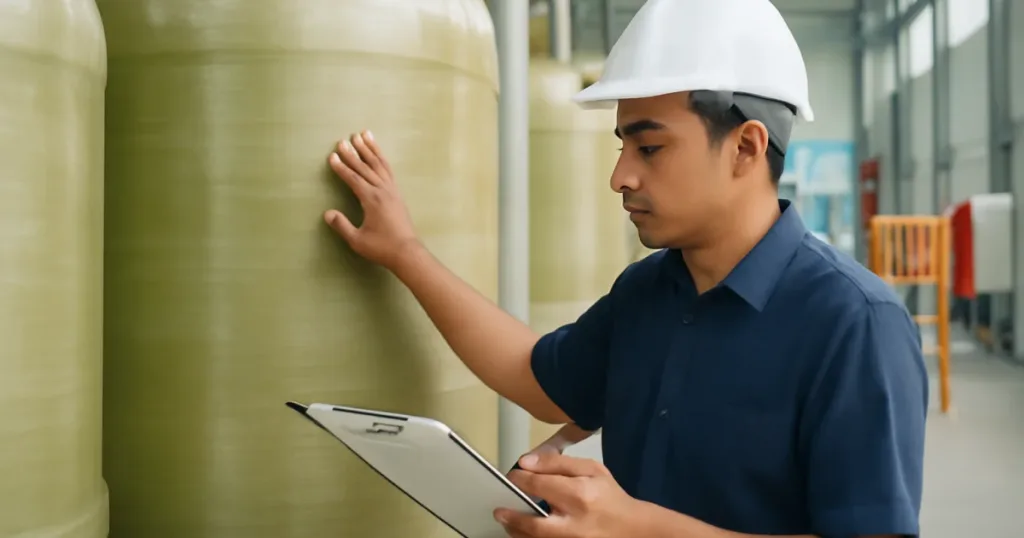
Once installed, FRP systems require minimal maintenance. Routine inspections and simple cleaning help keep them running efficiently over many years.
3. Cost-Effective Lifecycle
While initial material cost can vary based on design and customisation, total lifecycle cost is often lower because of reduced corrosion repairs and downtime.
4. Flexible Design Capabilities
FRP solutions can be tailored to fit complex layouts and specific fluid handling needs, including high-temperature or chemically aggressive environments.
Selecting the Right FRP Pipe Spools and Fittings
Choosing the right FRP products requires careful evaluation of both the technical requirements and the supplier’s capabilities.
Understand Fluid Types and Conditions
Different chemicals and fluids react differently with materials. When selecting FRP pipe spools and fittings, specify the type of fluid, temperature range, and pressure conditions so the corrosion barrier and resin system can be matched appropriately.
Check Design Standards
Reliable FRP products should be designed and manufactured according to recognised standards and codes, such as those used by Cradotex. These standards help ensure consistent quality and performance.
Work With Experienced Experts
Choose a supplier with industry experience and technical knowledge. Cradotex has been serving Malaysian industries since 1981 and holds certifications such as ISO 9001:2015 and ISO 45001:2018, demonstrating commitment to quality and safety.
Why Choose Cradotex
Cradotex is a trusted provider of FRP pipe spools and fittings in Malaysia. With decades of hands-on experience and strong technical expertise, we deliver reliable, custom-engineered solutions designed to meet real industrial operating conditions. Our focus on quality, industry knowledge, and long-term support ensures every project performs efficiently and safely throughout its service life.
Key reasons to choose Cradotex:
- Proven experience since 1981 in delivering engineered FRP and GRP solutions.
- Custom-designed products tailored to chemical, pressure, and temperature requirements.
- Wide industry coverage including water treatment, chemical, power, oil and gas, and manufacturing.
- Certified quality and safety with ISO 9001 and ISO 45001 compliance.
- Technical support beyond supply for installation, operation, and maintenance.
Frequently Asked Questions (FAQs)
1. What are FRP pipe spools and fittings?
FRP pipe spools are prefabricated sections of Fiberglass Reinforced Plastic piping connected with fittings such as elbows, tees, reducers, and flanges. They are custom-engineered for industrial applications to provide corrosion resistance and long service life.
2. Why is FRP preferred over steel or PVC in Malaysia?
FRP resists corrosion from chemicals, moisture, and UV exposure better than steel or PVC. It is also lightweight, strong, and suitable for harsh industrial environments found in Malaysian industries.
3. What industries use FRP pipe spools and fittings?
Common sectors include water and wastewater treatment, chemical processing, power generation, oil and gas, manufacturing, and electronics. These industries require piping systems that can handle corrosion and chemical exposure reliably.